Running a business today means more than selling products or services. It means building a brand that people trust, remember, and talk about. Social platforms like Facebook, Instagram, TikTok, and Twitter are now the places where customers discover new brands, ask questions, and make buying decisions.
But how do you know if your efforts are working? Numbers like likes and followers can look good, but they don’t always show the real impact. To grow with confidence, you need a complete guide to social media booster services for Nigerian brands alongside the KPIs that matter. These KPIs connect your online activity to real business outcomes like awareness, engagement, traffic, and sales.
Key Factors to Consider
What Makes Social Media KPIs Matter for Nigerian Businesses?
Social media KPIs are the heartbeat of your online success. They tell you what’s working and what’s not, cutting through the noise of likes and followers that don’t always mean much. For Nigerian businesses, where every naira counts, these numbers help you focus on what truly drives growth. They show if your efforts are reaching the right people and making an impact.
Tracking the right KPIs means you can spot trends early, adjust your strategy, and avoid wasting money on campaigns that don’t deliver. It’s about being smart with your resources and making every post, ad, and message count. When you understand these metrics, you get a clear picture of how your brand is growing and where to put your energy next.
Nigerian markets are competitive and fast-moving. Social media KPIs give you the edge by showing how your brand stacks up against others. They help you build trust with your audience, keep them engaged, and turn followers into loyal customers. Without these insights, you’re guessing in the dark.
These KPIs also help you prove the value of your social media efforts to stakeholders or investors. When you can show real numbers tied to sales or leads, it’s easier to get support for your marketing budget. It’s not just about being popular online; it’s about driving real business results.
Ultimately, social media KPIs are your roadmap to success. They keep you focused, informed, and ready to grow your Nigerian business with confidence.
What are Social Media KPIs?
Social media KPIs are measurable indicators that show how your brand is performing online. They go beyond vanity metrics and reveal whether your campaigns are driving awareness, traffic, or revenue. For Nigerian SMEs, KPIs provide clarity in competitive markets where resources are limited and every naira counts.
These numbers help you see the real story behind your posts and ads. They tell you if people are just scrolling past or actually stopping to engage. When you track KPIs, you get a clear sense of what’s working and what needs fixing. This means you can spend your time and money on what truly matters.
KPIs also help you set goals that make sense for your business. Instead of guessing, you have solid data to guide your next move. This makes your marketing smarter and more effective. Plus, sharing these results with your team or investors shows that your social media efforts are serious and results-driven.
In a market as busy as Nigeria’s, knowing your KPIs gives you a real advantage. It helps you build stronger connections with your audience and grow your brand steadily. Tracking these numbers isn’t just about data: it’s about making your business better every day.
How to Choose KPIs That Match Your Marketing and Revenue Goals
Not all KPIs are equal. A fashion brand may focus on engagement and reach, while a fintech startup may track conversions and customer acquisition cost. The right KPIs depend on your business goals. Aligning metrics with objectives ensures that social media activity contributes directly to growth and profitability.
Picking the right KPIs is like choosing your best weapons in a battle. You want to focus on what actually moves the needle for your business, not just what looks shiny on the surface. Here’s the deal: if your KPIs don’t match your goals, you’re basically throwing darts blindfolded.
Choosing KPIs that fit your business isn’t just smart: it’s essential. It keeps your marketing sharp, your budget safe, and your growth steady. So, pick wisely and watch your social media efforts turn into real wins.
7 Social Media KPIs Nigerian Businesses Should Track

When it comes to social media, numbers can be tricky. Some look impressive but don’t really tell the full story. That’s why focusing on the right KPIs is crucial: they give you the real picture of how your business is doing online. These key indicators help you see beyond the surface, showing what’s actually driving your brand forward.
Understanding these KPIs sets the stage for smarter decisions and better results. They help you cut through the noise and focus on what matters most for your business goals. Whether you want to boost awareness, increase sales, or build a loyal community, the right KPIs will guide you there.
As you move through the list below, keep in mind that each KPI plays a unique role. Some measure how far your message spreads, others track how people interact, and some show the direct impact on your bottom line. Together, they create a full picture of your social media success.
These essential KPIs are your best tools for growing your Nigerian business in a smart, focused way.
1. Track Reach and Impressions to Measure Brand Visibility
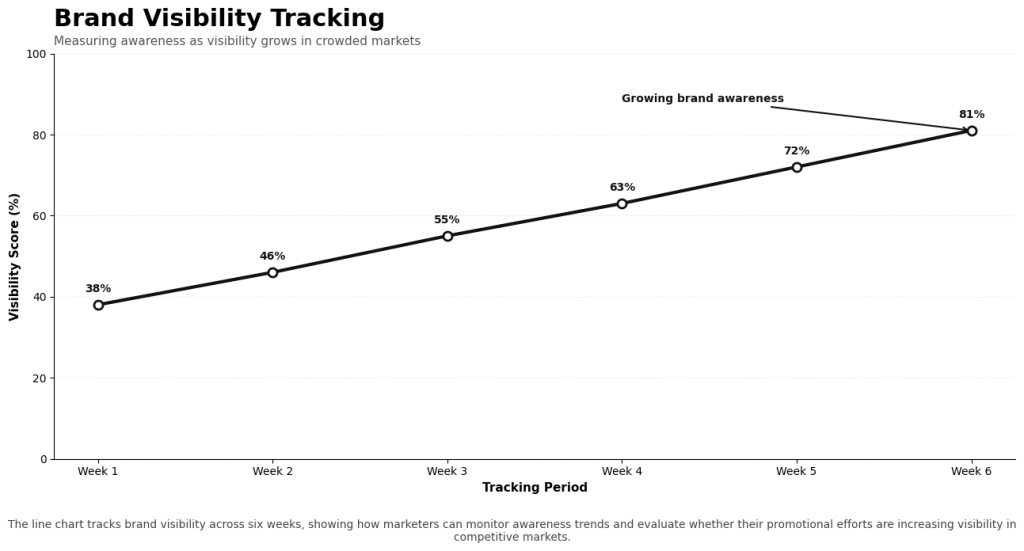
Reach shows how many unique users saw your content, while impressions count total views. For Nigerian brands, this helps measure visibility in crowded markets and shows if campaigns are expanding awareness beyond existing followers, in line with these tactics to increase Instagram engagement for Nigerian brands.
These two metrics are the foundation of your social media presence. Without knowing how many people see your posts, it’s impossible to understand if your message is getting out there. Reach tells you the size of your audience, while impressions reveal how often your content appears on screens.
Think of reach as the number of different people who catch a glimpse of your brand, and impressions as the total number of times your content pops up, even if it’s the same person seeing it multiple times. Both are important because they show how well your content spreads.
Here are some key points to keep in mind about reach and impressions:
- Reach helps you understand your potential audience size. It shows how many unique users your content touches, which is crucial for brand awareness.
- Impressions indicate content frequency. High impressions with low reach might mean the same people see your posts repeatedly, which can be good or bad depending on your goals.
- Tracking these metrics over time reveals trends. You can spot when your content gains momentum or when it needs a boost.
- Reach and impressions help evaluate campaign success. They show if your ads or posts are breaking through the noise.
- These metrics guide content strategy. Knowing what reaches more people helps you create posts that attract attention.
Understanding reach and impressions is like having a pulse on your brand’s visibility. It’s the first step to making sure your social media efforts are not just noise but a real presence in the Nigerian market.
2. Measure Engagement Rate to Understand Audience Interest
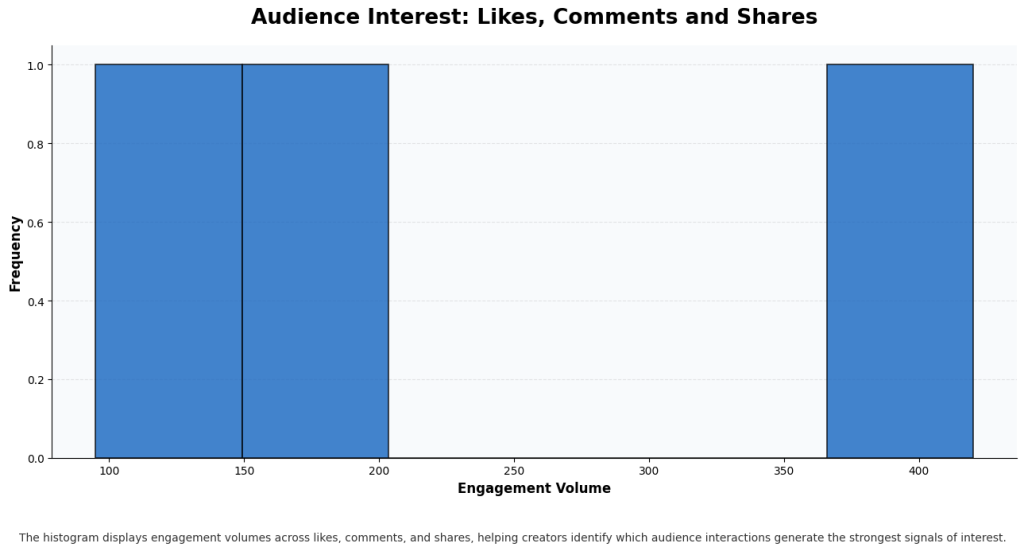
Engagement rate combines likes, comments, shares, and saves. It reveals how much your audience cares about your content. A high engagement rate means your posts are connecting with people, while a low rate signals the need for better creative strategies, which is where knowing how to increase Instagram engagement rate in Nigeria becomes useful.
Engagement is where the magic happens. It’s not just about numbers; it’s about real connections. When people like, comment, or share, they’re saying “Hey, I see you, and I care.” That kind of interaction builds trust and loyalty, which is gold for any Nigerian business.
Think of engagement rate as your content’s popularity score. It shows if your posts spark interest or just get ignored. A strong engagement rate means your audience is active and involved, not just passive viewers scrolling past.
Tracking this metric helps you understand what your followers love and what falls flat. It’s your guide to creating content that hits the mark every time. Plus, high engagement boosts your visibility on social platforms, making your brand more discoverable.
Engagement rate also helps you spot your brand advocates: those fans who spread the word and bring in new customers. These loyal followers are your best marketing asset.
3. Monitor Profile Visits, Link Clicks, and WhatsApp Clicks for Traffic
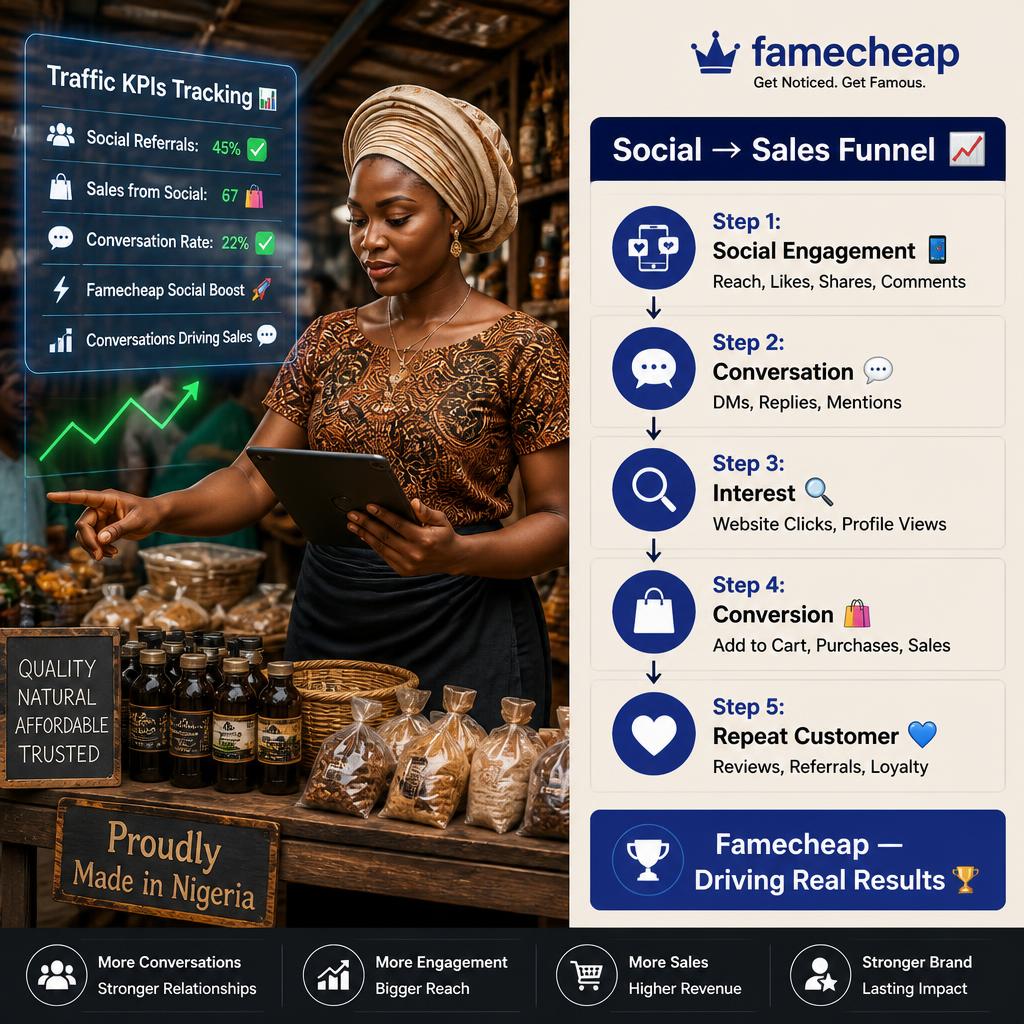
Traffic KPIs show if social media is driving people to your website or WhatsApp. Nigerian SMEs often rely on WhatsApp clicks to convert interest into direct conversations and sales, and comparing platforms with this look at TikTok vs Instagram for Nigerian SMEs can help you decide where to focus. Tracking these actions proves whether social media is moving people closer to purchase.
Understanding traffic is like having a direct line to your audience’s next move. When someone visits your profile or clicks a link, they’re stepping closer to your brand, not just scrolling past. WhatsApp clicks are especially powerful in Nigeria because they turn casual interest into real conversations, making sales feel more personal and immediate.
These KPIs help you see which posts or ads are actually pulling people in. If your traffic numbers are low, it’s a sign to rethink your call-to-action or content style. High traffic means your message is clear and compelling enough to make people act.
Tracking these clicks also helps you understand your audience’s behavior better. You learn what sparks curiosity and what drives action. This insight lets you tailor your content to keep the momentum going.
In a market where attention is scarce, knowing how to drive traffic is a huge advantage. It’s not just about being seen; it’s about moving people toward your business goals with every click.
4. Track Leads and Conversions to Connect Social Media with Sales
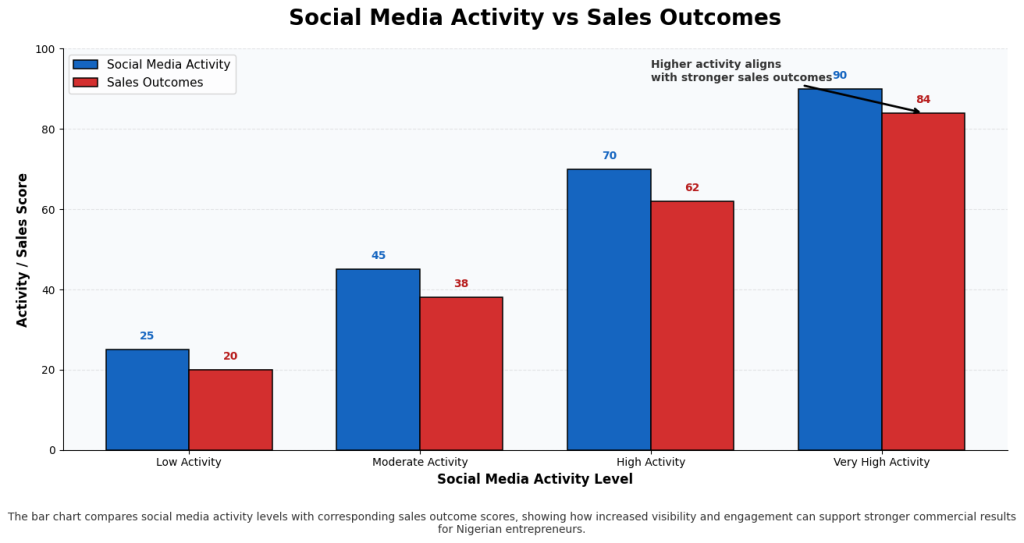
Leads and conversions prove that social media is more than awareness. They show how many people took action, signed up, or bought something after seeing your content. Nigerian businesses can tie these metrics directly to revenue, making social media accountable for sales, as shown in this guide on how to make money on Instagram in Nigeria.
These numbers are the real proof that your social media efforts are paying off. When someone moves from just liking a post to actually signing up or buying, that’s when the magic happens. It’s like turning casual interest into real business growth. Tracking leads and conversions helps you see exactly which campaigns or posts are pushing people over the line.
It’s not just about counting sales but understanding the journey your customers take. You get to know what sparks action and what stalls it. This insight lets you fine-tune your approach and focus on what really works. Plus, showing these results to your team or investors builds trust and confidence in your marketing.
“If you can’t measure it, you can’t improve it.” That’s why leads and conversions are your best friends in social media marketing. They keep you honest and focused on what matters most: turning followers into paying customers.
5. Measure Customer Acquisition Cost to Control Marketing Spend

Customer acquisition cost (CAC) reveals how much you spend to gain a new customer. Tracking CAC helps Nigerian businesses control budgets and avoid overspending on ads. A lower CAC means your campaigns are efficient, while a high CAC signals the need for adjustments, which is why choosing the best website to boost your social media account in Nigeria matters for keeping costs down.
Understanding CAC isn’t just about numbers: it’s about making every naira count. When you know exactly what it costs to bring in a customer, you can make smarter choices about where to put your money. If your CAC is creeping up, it’s a clear sign to rethink your strategy before your budget takes a hit.
This metric also shines a light on your marketing efficiency. It shows if your campaigns are pulling their weight or if you’re throwing cash into a black hole. Nigerian businesses with tight budgets can’t afford to waste resources, so CAC keeps you honest and focused.
Tracking CAC regularly helps you spot patterns and make quick changes. It’s like having a financial health check for your marketing efforts. When you keep CAC low, you’re not just saving money: you’re building a sustainable path to growth.
Think of CAC as your financial compass in the wild world of social media marketing. It guides you away from costly mistakes and toward smarter spending that actually brings in customers. Without it, you’re flying blind, hoping for the best.
6. Calculate ROAS and Attributed Revenue to Measure Social Media ROI

Understanding the real money coming back from your social media spend is like having a crystal ball for your business. Return on ad spend (ROAS) and attributed revenue are the KPIs that tell you exactly how much bang you’re getting for your buck. These numbers don’t just show if your ads are working: they prove if they’re making you money or just burning cash. Understanding how many Instagram followers you need to make money in Nigeria gives helpful context for measuring this return.
Knowing your ROAS means you can stop guessing and start investing smart. When you see which campaigns bring in the most revenue, you can pour more fuel on those fires and cut the dead weight. It’s the difference between throwing money into the wind and making every naira count.
These KPIs also help you build trust with your team and investors. Showing clear financial returns makes it easier to get support for bigger budgets or new ideas. Plus, tracking attributed revenue helps you understand which social channels and ads actually lead to sales, so you can focus your energy where it matters most.
Tracking these KPIs is like having a financial GPS for your marketing. Without them, you’re just driving blind, hoping to hit the jackpot. With them, you’re steering straight toward growth and profit, making your social media budget work harder for you.
7. Monitor Video Retention, Shares, and Saves to Improve Content Performance

Video KPIs like retention, shares, and saves reveal how well your content holds attention. Nigerian brands using Reels or TikTok can track these metrics to refine creative strategies, ensuring videos not only attract views but also drive deeper engagement, and learning how brands check TikTok influencer engagement rate for free is a useful starting point.
Understanding how your audience interacts with video content is crucial. It’s not just about the number of views; it’s about how long people stick around and whether they find your content worth sharing or saving for later. These actions show real interest and can boost your brand’s reach far beyond the initial post.
Here’s why these video KPIs deserve your attention:
- Retention measures how long viewers watch your videos. A high retention rate means your content is gripping enough to keep eyes glued, while a drop-off signals you might need to spice things up.
- Shares are pure gold. When people share your videos, they’re vouching for your brand and helping you reach new audiences without extra cost.
- Saves show that your content has lasting value. When viewers save your videos, it means they want to revisit or use your content later, which builds deeper engagement, a pattern also explored in Instagram likes vs saves: which matters more for reach.
- Engagement on videos, including comments and reactions, tells you if your message is landing and sparking conversations.
- Platform-specific trends matter too. TikTok and Reels have unique algorithms, so tracking these KPIs helps you tailor content that fits each platform’s vibe.
Tracking these metrics isn’t just about numbers; it’s about understanding what makes your audience tick. When you get this right, your videos become powerful tools that not only entertain but also build loyalty and drive action.
Focus on KPIs That Connect Social Media Activity to Business Outcomes
Likes and followers may look good, but they don’t pay the bills. The real value lies in KPIs that connect social media activity to outcomes like brand visibility, traffic, conversions, and revenue. These are the numbers that show whether your efforts are actually moving your business forward or just filling up space online. When you zero in on the right KPIs, you’re not just chasing vanity metrics: you’re tracking what truly matters.
Tracking these key indicators helps you make smarter decisions and spend your marketing budget where it counts. It’s about turning social media from a guessing game into a powerful tool that builds real connections and drives sales. Nigerian businesses that focus on these KPIs can spot what’s working, fix what’s not, and grow with confidence.
Why settle for likes when you can measure impact? Open an account with Famecheap today and boost your social media presence with tools designed to track and improve your KPIs. Share your thoughts or experiences in the comments below: let’s get the conversation started!
Frequently Asked Questions
Social media KPIs, or Key Performance Indicators, are measurable metrics that show how your brand is performing online. They go beyond vanity metrics like likes and followers to reveal whether your campaigns are driving awareness, traffic, or revenue. For Nigerian businesses, where every naira counts and competition is fierce, KPIs provide clarity and direction. They help you cut through the noise of social media and focus on what truly drives growth. Without tracking the right KPIs, you are essentially guessing in the dark, wasting time and money on strategies that may not deliver results.
These indicators are crucial because they connect your online activity to real business outcomes. They show if your efforts are reaching the right people, engaging them effectively, and moving them toward a purchase. For example, tracking reach and impressions helps you measure brand visibility, while monitoring engagement rate reveals how much your audience cares about your content. Traffic KPIs like link clicks and WhatsApp clicks show if social media is driving people to your website or direct messages. By focusing on the right KPIs, Nigerian businesses can spot trends early, adjust strategies quickly, and avoid wasting resources on campaigns that do not deliver. Ultimately, KPIs transform social media from a guessing game into a powerful tool for sustainable growth and profitability.
Nigerian businesses should track a combination of KPIs that cover the full customer journey, from awareness to conversion. Start with reach and impressions to measure brand visibility; reach shows how many unique users saw your content, while impressions count total views. These metrics help you understand if your campaigns are expanding awareness beyond your existing followers. Next, track engagement rate, which combines likes, comments, shares, and saves. A high engagement rate indicates your audience cares about your content, while a low rate signals a need for better creative strategies. This metric is the heartbeat of your social media success.
For driving action, monitor traffic KPIs like profile visits, link clicks, and WhatsApp clicks. These show if social media is moving people closer to purchase, which is especially powerful in Nigeria where WhatsApp clicks turn casual interest into direct sales conversations. Leads and conversions are essential for proving that social media contributes to revenue; they show how many people took action after seeing your content. Additionally, track customer acquisition cost (CAC) to control marketing spend and avoid overspending on ads. Finally, calculate return on ad spend (ROAS) and attributed revenue to measure the financial return from your social media investments. Together, these KPIs provide a complete picture of your social media performance and guide smarter business decisions.
Reach and impressions are foundational KPIs that help Nigerian businesses measure brand visibility on social media. Reach refers to the number of unique users who saw your content, while impressions count the total number of times your content appeared on screens, including multiple views by the same user. Together, these metrics show how far your message is spreading and whether your campaigns are breaking through the noise of crowded social feeds. For businesses in competitive Nigerian markets, understanding these numbers is essential for evaluating brand awareness and campaign effectiveness.
Think of reach as the size of your potential audience and impressions as the frequency of your message. If your reach is growing, it means your content is attracting new eyes, which is crucial for expanding your customer base. High impressions with low reach might indicate that the same people are seeing your posts repeatedly, which can be beneficial for reinforcing your brand message but may also signal a need for more diverse content to attract new viewers. Tracking these metrics over time reveals trends and helps you identify what type of content resonates most with your audience. By monitoring reach and impressions, you can make informed decisions about your content strategy, optimize your campaigns for greater visibility, and ensure your marketing budget is spent on efforts that genuinely expand your brand’s presence.
Engagement rate is a critical KPI that measures how much your audience interacts with your content by combining likes, comments, shares, and saves. It reveals the true depth of audience interest and connection, going beyond simple follower counts to show if your posts are resonating with people. A high engagement rate indicates that your audience finds your content valuable, entertaining, or relevant enough to take action. This is a powerful signal to social media algorithms that your content is worth promoting, which can lead to greater organic reach and visibility. For Nigerian businesses, a strong engagement rate builds trust and loyalty, turning passive followers into active brand advocates.
Conversely, a low engagement rate signals that your content is not connecting with your audience, which may require a creative strategy overhaul. This metric helps you understand what your followers truly love and what falls flat, allowing you to refine your approach and create posts that hit the mark every time. Engagement rate also helps you identify your brand advocates, those loyal followers who spread the word and bring in new customers. These advocates are your best marketing asset. By consistently tracking and improving your engagement rate, you build stronger relationships with your audience, boost your visibility on social platforms, and create a community that supports your business growth. It is the heartbeat of your social media success.
Leads and conversions are the KPIs that directly prove social media’s value for sales by showing how many people took a meaningful action after seeing your content. A lead is someone who shows interest in your product or service, such as by signing up for a newsletter or filling out a contact form. A conversion occurs when that lead completes a purchase or another desired outcome. For Nigerian businesses, these metrics connect social media activity directly to revenue, making social media accountable for sales. Tracking leads and conversions helps you see exactly which campaigns, posts, or ads are driving real business results and which ones are falling short.
This insight allows you to understand your customer’s journey from initial interest to final purchase. You learn what sparks action and what stalls it, enabling you to fine-tune your approach and focus on strategies that work. For example, if a particular ad campaign generates a high number of leads but low conversions, you may need to adjust your sales funnel or messaging. Conversely, if a campaign consistently drives conversions, you can allocate more budget to it. Showing these results to stakeholders or investors builds confidence in your marketing efforts and justifies future spending. Leads and conversions are not just numbers; they are the tangible proof that your social media strategy is driving growth and contributing to your bottom line.