Table of Contents
- Understanding TikTok Influencer Engagement Rate
- How to Check TikTok Influencer Engagement Rate with Free Analytics and Engagement Rate Calculators
- Good TikTok Engagement Rate Benchmarks That Help Brands Compare Influencers with Confidence
- Master TikTok Influencer Engagement Rate and Choose Creators That Deliver Real Results
- Frequently Asked Questions
A golfer’s swing may look effortless, but what truly matters is the precision of each shot and how the crowd reacts when the ball lands near the hole. Musicians know the same truth: it’s not just about selling records but about how fans sing along at concerts. For brands working with TikTok creators, the lesson is identical: success isn’t measured by follower counts alone but by the TikTok influencer engagement rate.
Brands want to know if the creator’s audience is paying attention and reacting. A high engagement rate means the creator’s posts spark real interest and action. It’s not just about numbers but about how those numbers reflect true audience involvement. This helps brands pick creators who can bring energy and trust to their campaigns.
Checking this metric early saves time and money. It filters out creators who might look good on paper but don’t deliver results. Brands can then focus on those who have built a loyal and active following. This metric also helps brands understand the style and tone that works best with the audience. It’s a simple but powerful tool that guides smart decisions.
Understanding TikTok Influencer Engagement Rate

TikTok influencer engagement rate measures how actively an audience interacts with a creator’s content. It includes likes, comments, shares, and saves relative to the creator’s follower count or views. This metric shows whether followers are genuinely interested or simply passive observers, and whether the creator’s content sparks real interest or people just scroll past without much thought. When engagement is high, it means the audience is paying attention and reacting, which is what brands want. This rate gives a clearer picture than just looking at follower numbers because it shows actual involvement, in line with how TikTok’s own recommendation system prioritizes interaction signals over raw reach.
Engagement rate also helps brands understand the type of content that works best. If a creator’s posts get lots of comments and shares, it means their audience finds the content valuable or entertaining. Brands can use this insight to choose creators whose style matches their message. It also points out creators who build strong relationships with their followers, which leads to better campaign results.
This metric cuts through the noise and shows who really connects with their audience. Brands use it to avoid wasting money on influencers who have big follower counts but low interaction. Instead, they focus on creators who have built trust and loyalty, so marketing efforts reach people who care and are more likely to take action.
Ultimately, the TikTok influencer engagement rate is a key tool for brands. It helps them find creators who don’t just have fans but have fans who listen, react, and engage, making campaigns more effective and meaningful.
Reasons Brands Prioritize Engagement Over Follower Count
Follower numbers can be misleading. A creator may have millions of followers but little interaction. Brands prioritize engagement because it reflects real influence, audience trust, and the likelihood of campaign success. Engagement signals authenticity, while inflated follower counts often hide fake or inactive accounts.
Here’s why those smaller numbers matter more than the big ones:
- Engagement shows connection. It’s proof the audience isn’t just watching but reacting. Likes and comments mean people care enough to stop scrolling and join the conversation.
- Trust beats hype. A creator with high engagement has built trust with their followers. That trust turns into action when brands launch campaigns.
- Quality over quantity. A smaller, engaged audience often delivers better results than a huge, passive one. It’s about who’s paying attention, not just how many.
- Spotting fake followers. High follower counts can hide bots or inactive accounts. Engagement reveals the true health of an influencer’s community.
- Better ROI for brands. Engagement predicts how well a campaign will perform. Brands want to spend money where it counts, not just on flashy numbers.
Engagement is the real currency in influencer marketing, according to Influencer Marketing Hub, which reports that most marketers now prioritize engagement quality over follower count when choosing creators. It’s what separates creators who just look good on paper from those who actually move the needle. Brands know this well, and that’s why they dig deeper than follower counts every time.
Key Engagement Signals That Influence Brand Decisions
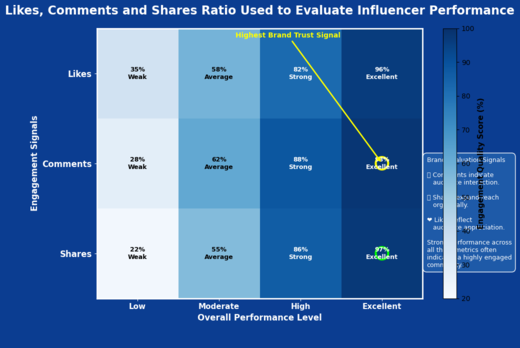
Brands look at likes, comments, shares, and watch time. High comment activity shows conversation, while shares indicate content resonates deeply. Watch time reveals how long audiences stay engaged. These signals help brands judge whether a creator can drive meaningful results.
These signals aren’t just numbers on a screen: they tell a story about how people really feel about the content. When brands see a flood of comments, it means the creator sparks real conversations, not just empty likes. Shares are the ultimate compliment, showing that viewers want to spread the word because the content hits home.
Here’s what these signals really mean and why they matter:
- Likes are the quick nod. They show instant approval and catch attention fast. A high number of likes means the content grabs people right away.
- Comments are the deep dive. When people take time to write, it means they’re engaged and want to connect or share thoughts.
- Shares are the trust vote. Sharing means the content is valuable enough to pass on, like saying “check this out.”
- Watch time is the silent judge. The longer someone watches, the more hooked they are. It’s proof the content holds attention.
- Saves show future interest. When viewers save a video, it means they want to come back later, a strong sign of value.
Brands use these signals to pick creators who don’t just post but connect. They want influencers who spark action, not just scrolls. These signals help brands avoid wasting money on flashy numbers that don’t deliver, and instead find creators who build real relationships and get results that matter.
How to Check TikTok Influencer Engagement Rate with Free Analytics and Engagement Rate Calculators
Getting a clear picture of a TikTok influencer’s engagement rate doesn’t have to be complicated or costly. Brands want quick, reliable ways to see if a creator’s audience is truly active and interested. This is where free tools and simple methods come into play. They offer a straightforward way to measure how well an influencer connects with their followers without needing expensive software or deep technical know-how.
These tools help brands cut through the noise and focus on what really matters: real audience interaction. They provide instant insights that guide smart decisions, saving time and money. Whether you’re new to influencer marketing or a seasoned pro, understanding how to check engagement rates with free resources sets the stage for smarter collaborations and better results. It’s the bridge between guessing and knowing, giving brands the confidence to pick creators who can make a real impact.
1. Using a Free TikTok Engagement Rate Calculator
Brands often rely on free TikTok engagement rate calculators to quickly assess influencer performance. These tools provide instant ER scores by analyzing recent posts, helping marketers decide whether a creator is worth considering. These calculators are popular because they save time and give a clear snapshot of how well an influencer connects with their audience, comparable to the industry engagement rate benchmarks tracked across TikTok. They pull data from likes, comments, shares, and sometimes views, then crunch the numbers to deliver a simple percentage. This percentage is a quick way to see if the influencer’s content sparks real interest or if it’s just background noise.
Using these free tools means brands don’t have to dig through every post manually or guess about the quality of engagement. Instead, they get a fast, reliable number that helps them compare creators side by side, like having a quick check-up for influencer health before making a bigger commitment.
These calculators aren’t perfect, but they offer a solid starting point. They help brands spot creators who consistently get attention and interaction, so brands can focus their energy and budget on influencers who actually move the needle.
2. Calculating TikTok Engagement Rate Manually
The formula is straightforward: (Likes + Comments + Shares) ÷ Followers × 100.
This manual calculation helps brands double-check results from calculators and ensures they understand the math behind influencer performance. It’s a simple way to get a clear picture of how engaged an influencer’s audience really is. Doing this math yourself means you’re not just trusting a tool blindly: you’re seeing the numbers up close and personal.
This hands-on approach also helps spot any odd results or inconsistencies in automated tools. If something looks off, you can dig deeper and figure out why. It also gives you a better feel for what good engagement looks like across different creators and niches. When you crunch the numbers yourself, you get a real sense of the creator’s connection with their followers.
Understanding this formula is like having a secret weapon in your marketing toolkit. It’s quick, easy, and gives you confidence in your decisions. You don’t need to be a math expert, just a little curiosity and attention to detail. This way, you can make smarter choices and avoid wasting money on influencers who don’t deliver.
3. Comparing Engagement Rates Across Different Creator Sizes

Engagement benchmarks vary by creator size. Micro-influencers often have higher ER because of closer audience relationships, while mega-influencers may show lower ER due to broader but less engaged audiences. Brands compare across sizes to find the right fit for campaigns.
Understanding these differences is crucial for brands aiming to get the most out of their influencer partnerships. It’s not just about picking the biggest name or the one with the most followers. The real magic happens when brands match their goals with the right creator size and engagement style.
Smaller creators tend to have tight-knit communities where every like, comment, and share feels personal. This close connection often leads to higher engagement rates, making micro-influencers a favorite for brands looking for authentic interactions. Larger creators, on the other hand, reach wider audiences but might struggle to keep that same level of personal engagement.
Here’s why these differences matter:
- Micro-influencers build trust. Their followers often see them as friends or experts, which boosts genuine engagement.
- Macro and mega-influencers offer reach. They can spread a message far and wide, but engagement might be more surface-level.
- Campaign goals shape choices. Brands aiming for awareness might pick bigger creators, while those wanting deep connections lean smaller.
- Engagement quality varies. High numbers don’t always mean active fans; smaller audiences can be more passionate.
- Budget plays a role. Working with micro-influencers can be more cost-effective while still delivering strong results.
Brands that understand these nuances can tailor their strategies for better outcomes. It’s about finding the sweet spot where reach meets real connection, making every marketing dollar count.
Good TikTok Engagement Rate Benchmarks That Help Brands Compare Influencers with Confidence
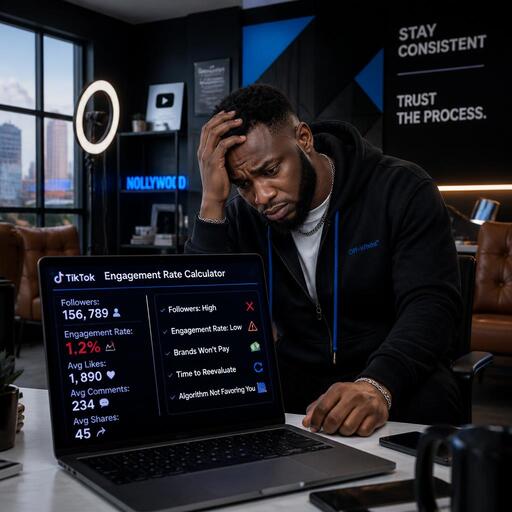
Understanding what counts as a “good” engagement rate on TikTok is key for brands looking to make smart choices. These benchmarks act as a guide, helping brands see where creators stand in terms of audience interaction. It’s not just about numbers but about knowing what those numbers mean in real terms. Different creators bring different strengths, and these benchmarks help brands spot who’s really connecting with their fans.
This section sets the stage for brands to compare influencers with confidence. It highlights the importance of looking beyond follower counts and focusing on how audiences engage. With clear benchmarks, brands can quickly identify creators who deliver genuine interest and interaction, helping them avoid guesswork and make decisions that lead to better campaign results.
As you dive into the details below, you’ll see how these benchmarks provide a solid foundation for evaluating TikTok creators. They give brands a clearer picture of what to expect and how to find influencers who truly move the needle, making every marketing dollar count and building partnerships that last.
1. Recognizing a Good TikTok Engagement Rate
A good TikTok engagement rate depends on creator size and niche. Micro-influencers may average 8–10%, while larger creators often fall between 2–5%. Brands use these benchmarks to judge whether an influencer’s ER is strong enough for collaboration.
Understanding these numbers helps brands see beyond just follower counts. It’s about knowing who truly connects with their audience and sparks real reactions. These benchmarks give a clear picture of what’s normal and what stands out in different creator categories. When brands know these ranges, they can spot influencers who bring genuine energy and interest to their content.
This knowledge is crucial because it guides brands in choosing creators who fit their campaign goals. It’s not just about high numbers but about meaningful engagement that drives results. These benchmarks act as a trusted map, helping brands avoid guesswork and focus on influencers who deliver real value.
With this foundation, brands can confidently move forward, comparing creators and making smart decisions. The benchmarks set the stage for deeper insights and better partnerships, ensuring marketing efforts reach the right audience.
2. Comparing TikTok Influencers for Better Campaign Results
By comparing ER across multiple influencers, brands can identify which creators deliver better campaign outcomes. This comparison ensures marketing budgets go to influencers who can generate authentic engagement and measurable impact.
This process isn’t just about numbers on a spreadsheet. It’s about understanding who truly moves their audience and sparks real conversations. When brands look at multiple creators side by side, they get a clearer picture of who’s worth the investment: a backstage pass to see who’s really connecting and who’s just playing the part.
Brands want to avoid throwing money at influencers who look good on paper but don’t deliver results. Comparing engagement rates helps spot those who consistently get genuine reactions, cutting through the noise to focus on creators who bring energy and trust to their followers.
This comparison also helps brands tailor their campaigns better. They can mix and match creators with different strengths, reaching wider audiences while keeping the message authentic. It’s about finding the right balance between reach and real connection.
Comparing TikTok influencers isn’t just smart, it’s essential. It turns marketing from a guessing game into a strategy that delivers real impact and value. Brands that master this step get the most out of their influencer partnerships and see better campaign results.
3. Evaluating Audience Quality and Authentic Interactions
Beyond numbers, brands dig deeper into audience quality. Authentic interactions, like thoughtful comments and genuine shares, show a loyal and engaged community. These signals prove the creator has built trust, not just collected followers. Fake likes or bot-driven engagement often show up as strange, irregular patterns. Brands watch for these red flags to avoid wasting money on influencers who don’t deliver real value.
Here’s why audience quality matters so much:
- True engagement beats fake numbers. Real comments and shares mean people care, not just click.
- Loyal followers drive action. A connected audience is more likely to respond to campaigns.
- Bots can’t build trust. Automated likes don’t lead to sales or brand loyalty.
- Irregular patterns raise alarms. Sudden spikes or drops in engagement can signal fake activity.
- Quality helps predict success. Brands want creators whose fans stick around and interact.
Brands use these insights to pick creators who bring real energy and influence. It’s not just about looking good on paper: it’s about making sure every dollar spent counts and reaches people who truly care. This is also why many brands turn to a trusted SMM panel to help creators build the kind of authentic, verifiable engagement that supports these evaluations.
Master TikTok Influencer Engagement Rate and Choose Creators That Deliver Real Results
Understanding the TikTok influencer engagement rate is the tool brands use to find creators who truly connect with their audience. It’s not just about big follower numbers but about real interactions that show genuine interest and trust. When brands focus on engagement rate benchmarks, authentic signals, and audience quality, they get a clear picture of who can make a real impact.
Ready to take your social media game to the next level? Open an account today with Famecheap and get access to your personalized dashboard that helps you track, analyze, and grow your channels with confidence. Start working with creators who truly move the needle and watch your brand’s influence grow.
Frequently Asked Questions
TikTok influencer engagement rate is a critical metric that measures how actively an audience interacts with a creator’s content relative to their total follower count or views. This rate typically includes likes, comments, shares, and saves, providing a comprehensive picture of audience involvement. Unlike follower count, which simply shows how many people have subscribed to a creator, engagement rate reveals whether those followers are genuinely interested, paying attention, and taking action. Brands prioritize this metric because it directly reflects real influence, audience trust, and the likelihood of campaign success. A creator with 50,000 followers and a 10% engagement rate often delivers better results than one with 500,000 followers and only a 1% engagement rate because the former has built a loyal community that actually cares about their content.
The reason brands prioritize engagement over follower count comes down to authenticity and return on investment. Follower numbers can be misleading; they may include inactive accounts, bots, or people who followed casually but rarely interact. Engagement signals tell a different story. When audiences like, comment, or share content, they are demonstrating active participation and emotional connection. This interaction builds trust, which is essential for brand campaigns aiming to drive awareness, consideration, or sales. Brands know that a highly engaged audience is more likely to respond positively to sponsored content, try new products, and share their experiences with others. Therefore, engagement rate serves as a reliable filter that helps brands identify creators who can genuinely influence their followers rather than just attract passive viewers. This metric ultimately saves brands time, money, and effort by steering them toward partnerships that deliver measurable impact.
A good TikTok engagement rate varies significantly depending on the creator’s follower count and niche, making benchmarks essential for accurate comparison. Micro-influencers, typically those with 1,000 to 50,000 followers, often achieve engagement rates between 8% and 10% because their communities are smaller, more personal, and built on trust. These creators interact closely with their followers, responding to comments and fostering genuine connections, which encourages higher levels of interaction. Mid-tier influencers with 50,000 to 500,000 followers usually see engagement rates ranging from 4% to 7%. While their audience is larger, they still maintain relatively strong relationships with their followers, often balancing reach with personal engagement. Macro and mega-influencers with over 500,000 followers commonly experience engagement rates between 2% and 5%, as their broader reach comes with less direct interaction and a more passive audience.
Understanding these benchmarks is crucial for brands aiming to make informed decisions about influencer partnerships. A micro-influencer with a 9% engagement rate is performing exceptionally well within their category, while a macro-influencer at 3% might be considered average or even strong depending on their niche. Niche also plays a significant role; creators in lifestyle, beauty, and fitness often enjoy higher engagement due to the personal nature of their content, whereas creators in news or entertainment might see lower rates. Brands should always compare influencers within similar categories and sizes to ensure fair evaluation. These benchmarks provide a clear framework for identifying top-performing creators and avoiding the trap of simply chasing follower counts. By knowing what constitutes a good engagement rate in each category, brands can confidently select influencers who will deliver authentic interactions and meaningful campaign results.
Brands have several accessible methods to check TikTok influencer engagement rate, ranging from free online calculators to manual mathematical formulas. Free TikTok engagement rate calculators are widely available and offer quick, automated analysis by pulling data from a creator’s recent posts. These tools compute engagement rates by analyzing likes, comments, shares, and sometimes views, then generating a percentage score that indicates how actively the audience interacts with content. Brands simply input the creator’s username, and the tool provides an instant ER score along with additional insights like average likes, comments, and growth trends. This approach is efficient and user-friendly, making it ideal for brands evaluating multiple influencers quickly. However, relying solely on automated tools can sometimes lead to inconsistencies, especially if the calculator uses different formulas or fails to account for video views versus follower counts.
For greater accuracy and control, brands can manually calculate engagement rate using a straightforward formula: (Total Engagements ÷ Followers) × 100. Total engagements typically include likes, comments, shares, and saves, though some brands simplify it to likes and comments only. For example, if an influencer has 100,000 followers and their recent video received 5,000 likes, 500 comments, and 200 shares, the manual calculation would be (5,700 ÷ 100,000) × 100, resulting in a 5.7% engagement rate. This hands-on approach allows brands to double-check automated results and understand the underlying data. It also helps identify anomalies, such as suspicious spikes or drops that might indicate fake engagement. By combining both methods, brands gain a comprehensive understanding of an influencer’s performance, ensuring their partnership decisions are grounded in reliable data and genuine audience interaction.
Micro-influencers consistently demonstrate higher engagement rates than mega-influencers because their smaller audiences foster closer, more authentic relationships. When a creator has between 1,000 and 50,000 followers, they typically interact more personally with their community, responding to comments, asking questions, and creating content that feels tailored to their audience’s interests. This personal touch builds trust and loyalty, encouraging followers to engage actively through likes, comments, shares, and saves. Followers of micro-influencers often feel like they know the creator personally, making them more likely to participate in conversations and support sponsored content. In contrast, mega-influencers with millions of followers face challenges in maintaining direct connections due to the sheer volume of interactions. Their content tends to be more generalized to appeal to a broad audience, which can dilute the sense of intimacy and reduce the likelihood of individual engagement.
Another factor contributing to higher engagement rates among micro-influencers is audience selectivity. People who follow micro-influencers often do so because they share specific interests or values, creating a niche community with higher relevance and alignment. This selective following means that content resonates more deeply, prompting stronger emotional reactions and more meaningful interactions. Mega-influencers, while reaching vast audiences, attract followers for various reasons, including sheer popularity or fleeting trends, which results in a more passive and less engaged following. For brands, this dynamic is crucial because micro-influencers often deliver better campaign performance, higher conversion rates, and more authentic endorsements. While mega-influencers offer unparalleled reach, micro-influencers provide the trust and interaction that drive real results. Smart brands balance both approaches, leveraging micro-influencers for engagement-driven campaigns and mega-influencers for broad awareness, depending on their specific goals and budget.
While likes and comments are the most visible forms of engagement, brands evaluate a wider range of signals to assess a TikTok influencer’s true impact and audience quality. Shares are one of the most powerful indicators because they demonstrate that viewers found the content valuable enough to pass along to their own networks. When someone shares a video, they are essentially endorsing it, which amplifies reach and credibility far beyond the creator’s existing follower base. Saves are another critical signal, showing that viewers want to revisit the content later, indicating high perceived value and practical usefulness. Videos with many saves often perform well in TikTok’s algorithm because they signal that the content is worth remembering, prompting the platform to distribute it more widely. Watch time or average view duration is equally important, as it reveals whether audiences are genuinely captivated or merely scrolling past quickly.
Beyond these quantitative signals, brands analyze qualitative aspects such as comment quality and audience demographics. Thoughtful, relevant comments indicate a community that is actively engaged and intellectually invested in the content, whereas generic or spammy comments may suggest low-quality engagement. Brands also look for conversations within comment sections, where followers interact with each other and the creator, signaling a vibrant and loyal community. Audience authenticity is another key factor; brands examine whether followers appear to be real people with genuine interests rather than bots or fake accounts. Irregular patterns, such as sudden spikes in engagement that don’t align with posting activity, can raise red flags about purchased engagement. By evaluating this comprehensive set of signals, brands move beyond surface-level metrics to identify influencers who have built trust, foster authentic interactions, and can deliver meaningful results for their campaigns. This thorough approach ensures that marketing investments reach audiences who genuinely care and are likely to take action.