Brands across Nigeria face a constant challenge: how to reach people in ways that feel real yet deliver measurable returns. Some lean on trusted voices who shape opinions, while others rely on precise ad targeting that promises instant visibility. The debate of influencer marketing vs paid social, which is better, is not just about tactics; it’s about choosing the right path for credibility, control, and cost efficiency.
From local fashion labels to fintech startups, the choice between partnering with creators or investing in ads can define whether campaigns resonate or fade. This article explores both strategies, comparing their strengths, weaknesses, and impact, so businesses can decide which channel truly drives better results, much like weighing YouTube ads against SMM panel services when picking a growth approach.
Key Factors to Consider
Influencer Marketing vs Paid Social: Which Strategy Performs Better?
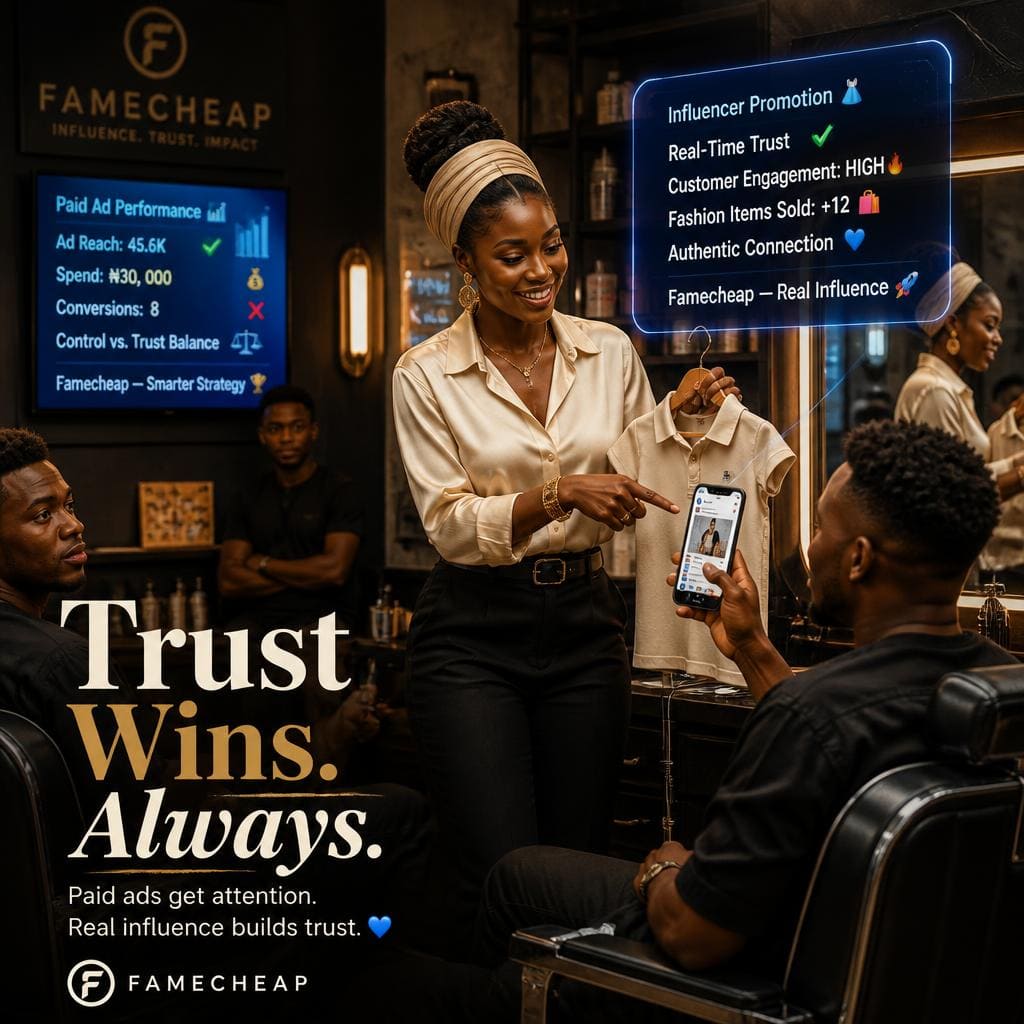
This question is at the heart of many marketing debates in Nigeria today. Both strategies have their own unique strengths that can make or break a campaign. Influencer marketing taps into the power of real people who have earned trust and loyalty from their followers. When an influencer talks about a product, it feels personal and genuine. Paid social, meanwhile, offers brands the ability to reach large numbers of people quickly and with precision. It’s all about targeting the right audience at the right time with the right message.
The truth is, neither strategy is inherently better than the other. It depends on what a business wants to achieve. Influencer marketing shines when the goal is to build a lasting connection with customers. It’s about storytelling and authenticity that ads often can’t match. Paid social wins when speed and scale matter most. It’s perfect for campaigns that need immediate results and clear data to measure success.
Many Nigerian businesses find success by blending both approaches. Influencers create buzz and trust, while paid social amplifies that message to a wider audience. This combo can deliver both engagement and conversions, making it a powerful tool in any marketer’s kit. So, the real answer lies in understanding your brand’s needs and choosing the strategy that fits best. It’s not about picking sides but about using the right tool for the right job.
What is Influencer Marketing and Paid Social?
Influencer marketing involves partnering with individuals who have built trust and credibility with their audience. Paid social, on the other hand, refers to running targeted ads on platforms like Instagram, Facebook, or TikTok, similar to the Instagram growth services available in Nigeria. While influencers rely on authenticity and personal connection, paid social depends on algorithms and precise targeting to reach specific demographics.
Influencer marketing is about real people sharing real experiences. These creators have followers who listen because they feel a genuine connection. When an influencer talks about a product, it’s like hearing from a friend who truly believes in what they’re sharing. This kind of marketing builds trust slowly but deeply, making the audience more open to trying new things.
Paid social works differently. It’s about reaching the right people at the right moment with a clear message. Ads can be adjusted quickly, tested, and optimized to get the best results. This method gives businesses control over who sees their message and when. It’s fast, measurable, and flexible, making it perfect for campaigns that need quick action.
Both strategies have their place. Influencer marketing creates emotional bonds, while paid social drives immediate attention. Using them together can create a powerful mix that connects and converts.
How Do Influencers and Paid Ads Differ in Reach and Audience Trust?
Influencers often generate higher engagement because their followers see them as relatable and trustworthy. Paid ads can reach larger audiences quickly but may suffer from ad fatigue, where users ignore repetitive promotions. The key difference lies in trust: influencer endorsements feel authentic, while paid ads are often perceived as transactional.
What makes influencers stand out is their ability to connect on a personal level. Their followers don’t just see them as content creators; they see them as friends or mentors. This connection means that when an influencer recommends something, it carries weight. People are more likely to listen and act because they believe in the influencer’s honesty.
Paid ads, while powerful in reach, often lack this personal touch. They can feel like interruptions or sales pitches, which makes people scroll past or block them. However, paid ads shine when it comes to targeting specific groups quickly and adjusting messages on the fly. They offer brands a way to test different ideas and see what works best.
Both have their strengths, but the trust factor often tips the scale in favor of influencers when it comes to building lasting relationships with audiences, an approach explored further in 5 secrets Nigerian influencers use to make money on social media. That said, paid ads bring speed and scale that influencers alone can’t match. Combining both can create a balance where trust meets reach, making campaigns more effective and memorable.
Which Strategy Gives Nigerian Businesses More Control Over Their Campaigns?
Paid social offers businesses complete control over messaging, targeting, and budget allocation. Influencer marketing, however, requires negotiation and collaboration, meaning brands may have less control over how messages are delivered. For businesses seeking precision and scalability, paid social provides more direct control.
Let’s break down why control matters so much. When you run paid social campaigns, you get to call the shots on every detail. You decide who sees your ads, when they see them, and what exactly they see. This level of control means you can tweak campaigns on the fly, cutting out what doesn’t work and doubling down on what does. It’s like having a remote control for your marketing.
Here are some key points that show why paid social gives you more control:
- Targeting precision: You can zero in on specific demographics, interests, and behaviors, ensuring your message hits the right people without wasting budget.
- Budget flexibility: Adjust your spend anytime, scaling up or down based on performance and business needs.
- Message consistency: You craft the exact wording, visuals, and calls to action, keeping your brand voice sharp and clear, an approach similar to what makes the difference between SMM panels and Instagram ads.
- Real-time optimization: Monitor results instantly and make changes to improve outcomes without waiting for influencer feedback.
- Performance tracking: Access detailed analytics that show what’s working and what’s not, helping you make smarter decisions.
Influencer marketing, on the other hand, is a bit like handing over the mic. You trust the influencer to share your message in their own style, which can be powerful but also means less control. Sometimes, the message might shift or get lost in translation. Plus, campaigns often require back-and-forth approvals and negotiations, which can slow things down.
Compare the Costs, ROI, and Pros and Cons
| Aspect | Influencer Marketing | Paid Social Advertising |
| Cost Structure | Often involves upfront fees or product exchanges. Costs can vary widely based on influencer reach and niche. | Costs are flexible with bidding models; you pay per click, impression, or conversion, allowing tight budget control. |
| Return on Investment (ROI) | ROI is measured through engagement, brand awareness, and earned media value. Attribution can be less direct. | ROI is tracked via conversions, sales, and detailed analytics, offering clear performance measurement. |
| Pros | Builds authentic connections and trust. Great for brand storytelling and long-term loyalty. | Offers precise targeting, quick results, and easy optimization. Scalable for different budgets. |
| Cons | Less control over messaging. Campaigns may require longer time to show results. Negotiations can slow processes. | Can suffer from ad fatigue. May feel less personal, risking audience disengagement. Requires constant monitoring. |
| Best Use Cases | Ideal for brand awareness, trust-building, and reaching niche communities. | Best for direct sales, retargeting, and campaigns needing fast, measurable outcomes. |
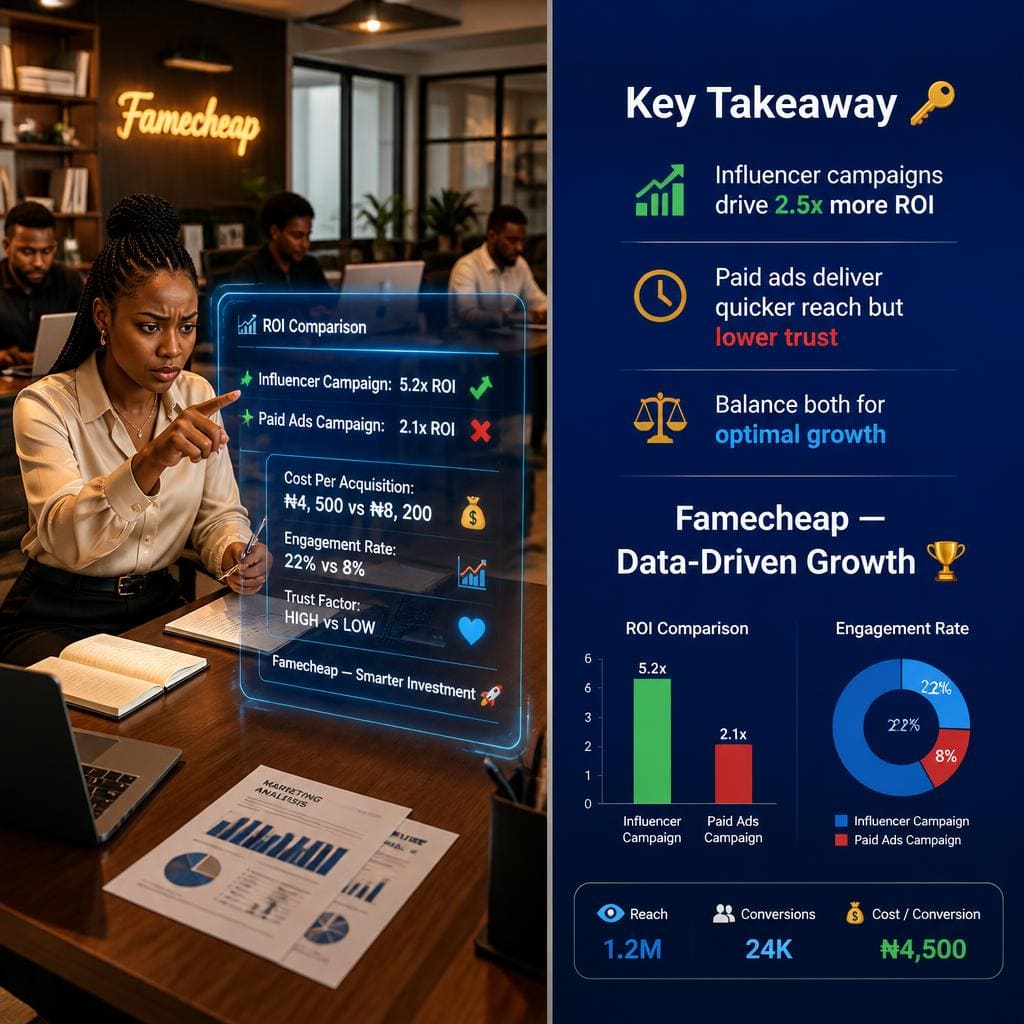
How Does Influencer Marketing ROI Compare with Paid Social ROAS?
Influencer marketing ROI is often measured through earned media value and engagement rates, while paid social focuses on ROAS (Return on Ad Spend). Influencer campaigns can deliver strong brand awareness but may lack precise attribution. Paid social provides clearer metrics through conversion tracking and pixels.
But here’s the thing: influencer marketing isn’t just about numbers on a spreadsheet. It’s about building relationships that last. When an influencer shares your brand, their audience feels like they’re hearing from someone they trust, not just another ad. This emotional connection can lead to loyal customers who stick around longer.
Paid social, on the other hand, is all about speed and precision. You get real-time data that shows exactly how many clicks, conversions, or sales your ads generate. This makes it easier to calculate your return and adjust your strategy quickly.
Here’s a quick breakdown of what sets them apart:
- Attribution clarity: Paid social offers clear tracking through pixels and analytics, making it easier to see which ads drive sales.
- Engagement depth: Influencer marketing creates deeper engagement through authentic storytelling and personal endorsements, reflected in 6 Instagram engagement secrets every Nigerian SME should know.
- Longevity: Influencer campaigns can build long-term brand loyalty, while paid social often focuses on short-term wins.
- Flexibility: Paid social campaigns can be paused, tweaked, or scaled instantly based on performance.
- Measurement challenges: Influencer marketing ROI can be harder to pin down due to indirect effects like brand awareness and word-of-mouth.
Both strategies have their place, and the best results often come when you blend the two. Influencers warm up your audience, and paid social pushes them to take action. It’s like having the best of both worlds: trust and trackability rolled into one.
When Does Influencer Marketing Deliver Better Value for Nigerian Brands?
Influencer marketing delivers better value when the goal is building trust, credibility, and long-term brand loyalty. Nigerian fashion houses, beauty brands, and lifestyle businesses often benefit from influencer partnerships that create authentic connections with audiences. This strategy works best when brands want to speak directly to their customers through voices they already trust. It’s not just about selling a product; it’s about creating a story that feels personal and real.
Influencers bring a unique kind of magic. They don’t just promote; they share experiences, opinions, and moments that resonate deeply. This kind of connection can turn casual followers into passionate fans. And in Nigeria’s vibrant market, where word-of-mouth and community matter so much, that trust can be priceless.
Brands that focus on lifestyle, fashion, and beauty often see the biggest wins here. These industries thrive on visual appeal and personal style, which influencers showcase effortlessly. When an influencer shares a product, it’s like a trusted friend giving a recommendation, and that’s powerful.
But it’s not just about the big names. Micro-influencers with smaller, engaged audiences can deliver even more value. Their followers often feel a closer bond, making their endorsements feel extra genuine. This can lead to higher engagement and better loyalty, a strategy detailed in 5 Instagram growth strategies every Nigerian influencer should use.
Influencer marketing also allows brands to tap into niche communities that might be hard to reach with traditional ads. Whether it’s a local fashion trend or a beauty hack, influencers help brands connect with the right people in the right way.
When Can Paid Social Deliver Faster and More Measurable Results?
Paid social is ideal for campaigns that require immediate visibility, measurable conversions, and retargeting. Nigerian e-commerce platforms and fintech apps often rely on paid ads to drive quick sign-ups, purchases, or downloads, thanks to precise tracking and scalability.
This strategy shines when speed is the name of the game. You want your message out there right now, hitting the screens of potential customers who are ready to act. Paid social ads let you slice and dice your audience with laser focus: age, location, interests, even behaviors. This means your budget isn’t wasted on people who won’t care.
Plus, the data you get is like having a crystal ball. You see who clicked, who bought, and who bounced. This lets you tweak your campaigns on the fly, cutting out what’s not working and boosting what is. It’s marketing with a pulse, always alive and adapting.
And let’s not forget retargeting: the secret weapon. If someone visits your site but doesn’t buy, paid social can chase them down with reminders that nudge them back. It’s like a gentle tap on the shoulder that says, “Hey, you forgot something!”
This makes paid social perfect for brands that need fast, measurable wins, an outcome also achievable through the viral social media formula every Nigerian brand needs. Whether it’s a flash sale, a new app launch, or a limited-time offer, paid social delivers results you can count on, fast and clear. It’s the go-to when you want to see numbers move and wallets open, quickly.
Which Strategy Is Best for Nigerian Businesses?
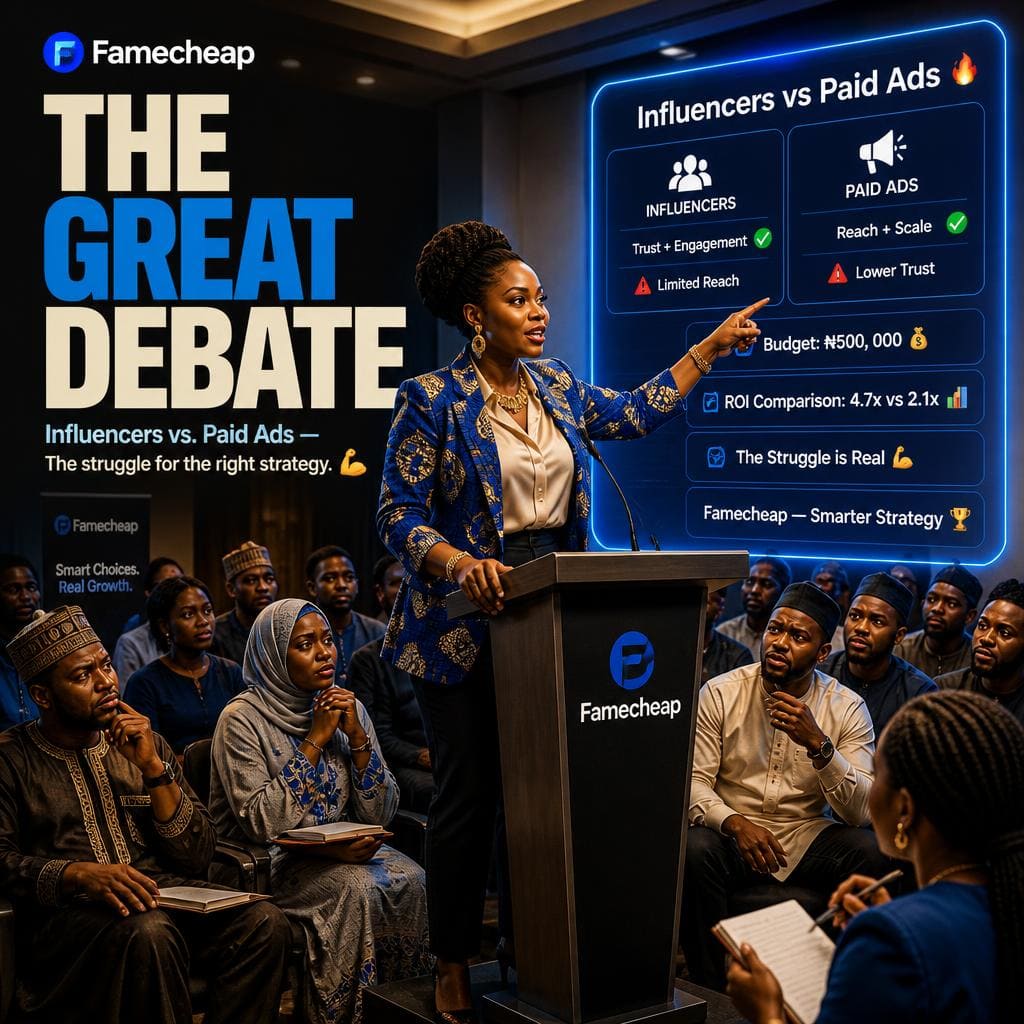
Choosing the right marketing strategy in Nigeria isn’t a one-size-fits-all deal. It really boils down to what your business needs right now and where you want to go next. Influencer marketing and paid social each bring something special to the table, and knowing when to lean on one or the other can make all the difference.
Influencer marketing is your go-to if you want to build real connections. It’s about trust, stories, and creating fans who stick around. This works wonders for brands that want to grow their reputation and make a lasting impression. On the flip side, paid social is perfect when you need quick, measurable results. It’s like having a sharp tool that cuts straight to the point, helping you reach the right people fast and track every move.
Many Nigerian businesses find the sweet spot by mixing both strategies. Influencers warm up your audience, making them more open and engaged. Then, paid social steps in to push those warmed-up leads toward action. This combo can boost both brand love and sales, a win-win.
When Is Paid Social the Better Choice for Sales and Retargeting?
Paid social excels in driving direct sales and retargeting customers who have already interacted with a brand. Businesses looking for short-term measurable results, such as seasonal promotions or product launches, benefit most from paid ads. This strategy is perfect when you want to see quick returns and clear numbers. It’s like having a sharp tool that cuts straight to the point, helping you reach the right people fast and track every move.
Here’s why paid social stands out for sales and retargeting:
- Paid social allows brands to target users who showed interest but didn’t convert, giving a second chance to close the deal. It’s like a gentle nudge that reminds them what they’re missing.
- The data-driven nature of paid ads means you can measure exactly which campaigns bring in sales, making budget decisions smarter and more confident.
- Quick adjustments are possible, so if an ad isn’t working, you can switch it up without losing time or money.
- Paid social campaigns can be scaled up or down instantly, matching your business needs and cash flow.
- It’s ideal for time-sensitive offers where speed and precision make all the difference, such as flash sales or limited-time discounts.
How Can Small Businesses Decide Based on Their Budget and Goals?
Small businesses face a tricky balancing act when it comes to budget and goals. Choosing between influencer marketing and paid social isn’t just about money: it’s about what you want your brand to feel like and how fast you want results. Influencer marketing often shines when you want to build trust and create a loyal fan base. It’s like planting seeds that grow over time, giving your brand a personality that people connect with.
Paid social, on the other hand, is your go-to if you need quick wins and clear numbers. It’s flexible and scalable, letting you adjust spend based on what’s working. This makes it perfect for businesses that want to see immediate sales or sign-ups without waiting around, an area where the 5 benefits of using an SMM panel for Nigerian businesses and creators also come in handy.
Before diving in, think about these key factors that can guide your choice:
- Goal clarity: Are you aiming for long-term brand love or fast sales? Your answer shapes the strategy.
- Budget size: Smaller budgets might stretch further with influencer partnerships, especially micro-influencers.
- Audience type: Know where your customers hang out and how they prefer to hear from brands.
- Measurement needs: Paid social offers clear data, while influencer impact can be more subtle but powerful.
- Timeframe: Need results yesterday? Paid social moves fast. Building relationships? Influencers take time but pay off.
Choosing the right path isn’t about picking sides: it’s about knowing your brand’s story and what feels right for your audience. Sometimes, mixing both strategies creates the perfect recipe for success.
Use the Right Marketing Channel to Drive Better Results Today
Choosing between influencer marketing and paid social isn’t just a simple decision: it’s about knowing what your business truly needs. Influencer marketing shines when building trust and creating long-term loyalty. It’s about connecting with people on a personal level, making your brand feel like a friend rather than just a name. This approach helps brands grow a loyal fan base that sticks around.
Paid social, on the other hand, is all about speed, control, and clear results. It lets you target exactly who you want, when you want, and measure every click, like, or sale. This makes it perfect for campaigns that need quick wins and precise tracking.
Nigerian businesses should think carefully about their goals, budget, and audience before choosing. Sometimes, mixing both strategies creates the best outcome: trust and reach working hand in hand, a balance well supported by this complete guide to social media booster services for Nigerian brands.
If you want to boost your social media presence and see real results, open an account with Famecheap today. Use their tools to power up your campaigns and watch your brand grow. Don’t forget to comment below and share your thoughts or experiences. Your opinion matters and could help others make smarter marketing choices!
Frequently Asked Questions
Influencer marketing and paid social advertising are two distinct strategies for reaching audiences on social media platforms. Influencer marketing involves partnering with individuals who have built trust and credibility with their followers. These creators share authentic content about your brand, leveraging their personal connection with their audience to generate organic engagement and word-of-mouth recommendations. This approach feels like a trusted friend giving a recommendation, which can build deep, lasting loyalty. Influencer marketing is ideal for brand storytelling, reaching niche communities, and creating emotional connections that ads often cannot replicate.
Paid social advertising, on the other hand, refers to running targeted ads on platforms like Instagram, Facebook, or TikTok. It relies on algorithms and precise targeting to reach specific demographics based on interests, behaviors, and location. Brands have complete control over the messaging, visuals, budget, and timing, allowing for quick adjustments and real-time optimization. Paid social provides clear, measurable data through conversion tracking and analytics, making it perfect for campaigns that need immediate visibility and direct sales. While influencer marketing builds trust through authenticity, paid social delivers speed, scalability, and precision. Many Nigerian businesses find success by blending both strategies; influencers create buzz and trust, while paid social amplifies that message to a wider audience, combining the strengths of both approaches for maximum impact.
Paid social advertising gives Nigerian businesses significantly more control over their campaigns compared to influencer marketing. With paid social, you have complete authority over every aspect of your campaign, including messaging, visuals, targeting parameters, and budget allocation. You decide exactly who sees your ads, when they see them, and what they see. This level of control allows for real-time optimization; you can pause underperforming ads, adjust targeting on the fly, and scale successful campaigns instantly based on performance data. Detailed analytics provide clear insights into what is working and what is not, enabling data-driven decisions that maximize your return on investment.
In contrast, influencer marketing requires a collaborative approach where brands trust influencers to deliver their message in their own unique style. While this authenticity is powerful, it means brands have less direct control over how the message is communicated. Campaigns often involve back-and-forth negotiations, approvals, and creative freedom for the influencer, which can slow down processes and sometimes result in messaging that does not align perfectly with the brand’s vision. Additionally, brands cannot instantly tweak or scale influencer campaigns based on real-time performance data. For businesses that prioritize precision, flexibility, and the ability to make quick adjustments, paid social is the clear winner. However, for brands seeking authentic connection and storytelling, the trade-off in control may be worth the trust and engagement that influencers deliver.
Influencer marketing delivers better value for Nigerian brands when the primary goal is building trust, credibility, and long-term customer loyalty. This strategy shines for businesses in fashion, beauty, lifestyle, and other industries where personal style and visual appeal are central to the brand experience. Influencers have cultivated relationships with their followers who see them as relatable, trustworthy voices. When an influencer recommends a product, it feels like a genuine endorsement from a friend, which creates a powerful emotional connection that traditional ads often fail to achieve. This connection can turn casual followers into passionate brand advocates who stick around for the long haul.
Micro-influencers, in particular, can deliver exceptional value for Nigerian brands. Their smaller but highly engaged audiences often feel a closer bond, making their endorsements feel even more authentic. This leads to higher engagement rates and stronger community trust. Influencer marketing also allows brands to tap into niche communities that might be difficult to reach with conventional advertising. Whether it is a local fashion trend or a beauty hack popular in specific regions, influencers help brands connect with the right people in the right way. Additionally, influencer content generates earned media value that continues to drive awareness long after the initial campaign ends. For brands focused on relationship-building and creating a memorable brand story, influencer marketing offers a unique and powerful channel that paid social alone cannot replicate.
Paid social advertising is the better choice for driving direct sales and retargeting customers who have already interacted with your brand. This strategy excels when the goal is immediate, measurable results, such as generating sign-ups, purchases, or downloads. Paid social ads can be precisely targeted to reach users based on demographics, interests, behaviors, and even past interactions with your website or app. This precision ensures your marketing budget is spent on people most likely to convert, maximizing efficiency and return on investment. For Nigerian e-commerce platforms and fintech apps, paid social is often the go-to solution for campaigns that need fast, trackable outcomes.
Retargeting is one of paid social’s most powerful features. When a potential customer visits your site but does not complete a purchase, paid social can display targeted ads to remind them of what they left behind. This gentle nudge can significantly increase conversion rates by re-engaging warm leads who have already shown interest. Paid social also offers unparalleled flexibility; you can scale campaigns up or down instantly, adjust budgets based on performance, and test different creative variations to see what resonates best. Detailed analytics provide clear attribution, showing exactly which ads drive sales and allowing you to optimize continuously. For time-sensitive promotions, product launches, or seasonal campaigns where speed and precision are critical, paid social delivers faster and more measurable results than influencer marketing.
Small businesses can decide between influencer marketing and paid social by carefully evaluating their budget, goals, and audience preferences. Start by clarifying your primary objective. If your goal is to build long-term brand trust, create a loyal community, and generate authentic word-of-mouth, influencer marketing is often the better fit. It allows you to tap into existing relationships and credibility, which can be especially valuable for smaller budgets when partnering with micro-influencers who charge less but deliver high engagement. However, if your goal is to drive immediate sales, sign-ups, or downloads with clear, measurable results, paid social is the more effective choice.
Budget also plays a crucial role. Paid social offers flexible spending options; you can start with a small daily budget and scale up based on performance. This makes it accessible for businesses with limited funds. Influencer marketing costs vary widely, but micro-influencers can provide excellent value at a lower cost than celebrities or macro-influencers. Consider your audience type and where they spend their time; if they are highly engaged with specific creators, influencer marketing can be powerful. If they are dispersed across platforms, paid social targeting may be more efficient. Finally, think about your timeline. Paid social delivers fast results, while influencer marketing requires patience but offers lasting impact. Many small businesses find that a blended approach, using influencers for trust-building and paid social for conversion, provides the best balance of reach and results.