Table of contents
Learning how to increase YouTube views organically can feel overwhelming for beginners, but it’s one of the most rewarding skills to master. Unlike paid ads, organic growth builds a loyal audience that keeps coming back, helping creators establish long-term success. The challenge is that YouTube’s algorithm doesn’t just reward great content: it prioritizes videos that are optimized for search, click-through rate, and watch time.
Beginners often struggle because they expect immediate results, but organic YouTube growth is a gradual process that requires consistency, smart SEO, and strategic promotion. By focusing on YouTube SEO for beginners, understanding how the platform decides which videos get recommended, and using tools like Famecheap to amplify reach, new creators can steadily grow their channels without spending on ads. If you’re looking for a complete overview of how to grow your YouTube channel in Nigeria, that guide is a great companion to everything covered here.
Why Most Beginners Struggle to Increase YouTube Views Organically?

Many beginners find it tough to grow their YouTube views without paid ads. The platform’s system looks at many things beyond just the video itself. It checks how long people watch, how often they click on your video, and if your keywords match what people are searching for. Without paying attention to these, even great videos can stay unseen.
Another reason is that beginners often expect quick results. Organic growth takes time and steady effort. It is not about making one perfect video but about building a habit of uploading and improving. Many give up too soon because they don’t see instant success.
Beginners also miss out on using simple tools and strategies that help videos get noticed. For example, using the right keywords in titles and descriptions can make a big difference. Creating playlists to keep viewers watching more videos on your channel also helps. These small steps add up and signal YouTube to recommend your content more.
The key is to stay consistent and keep learning. The more you understand how YouTube works, the better your chances of growing your views naturally. It’s a slow process, but with the right approach, you can build a loyal audience that keeps coming back.
Understanding How YouTube Decides Which Videos Get Views
YouTube’s algorithm considers factors like watch time, click-through rate (CTR), audience retention, and keyword relevance. Beginners often overlook these signals, focusing only on content quality without optimizing for discoverability. These factors work together to help YouTube decide which videos to show to viewers. Watch time shows how long people stay watching your video, which tells YouTube if your content is engaging.
CTR measures how many people click on your video after seeing the thumbnail and title. Audience retention tracks if viewers watch your video all the way through or leave early. Keyword relevance helps YouTube match your video with what people are searching for. Ignoring any of these can keep your videos from reaching more people.
It’s important to think about these elements when creating and uploading videos. For example, crafting a clear and catchy title with the right keywords can improve CTR. Keeping your videos interesting from start to finish helps with audience retention. Also, using tags and descriptions that match your content makes it easier for YouTube to understand and recommend your videos.
If you want to dive deeper into keywords, check out our section on How to Find Keywords Beginners Can Actually Rank For. One often-overlooked tactic is also using YouTube Shorts to grow your channel fast: short-form content can dramatically signal your channel’s activity to the algorithm.
Why Great Content Alone Is Not Enough to Get More Views?
Even if your video is excellent, it may remain hidden if it doesn’t align with search intent or lacks proper metadata. This means your hard work might not get the attention it deserves. SEO and promotion are the real MVPs here, they make sure your content reaches the right people who actually want to watch it.
Here’s what you need to know about why great content isn’t enough:
- Search Intent Matters: Your video has to match what people are actually looking for. If it doesn’t, no one will find it, no matter how good it is.
- Metadata is Key: Titles, descriptions, and tags tell YouTube what your video is about. Without clear metadata, your video gets lost in the crowd.
- Promotion Boosts Reach: Sharing your video on social media or communities helps get those first views and signals YouTube that your content is worth recommending.
- Consistency Counts: Uploading regularly builds trust with both your audience and YouTube’s algorithm, increasing your chances of being seen.
What Beginners Should Expect in Their First 90 Days
The first three months are about experimentation and consistency. Beginners should expect slow growth, but steady improvement if they apply organic strategies like keyword targeting and playlist optimization. For those just getting started, reading up on how to get more YouTube subscribers fast as a complete beginner will give you a solid parallel framework to work alongside views growth.
Here’s a quick breakdown of what to focus on:
- Experiment Often: Try different video styles and topics to see what clicks with your audience.
- Track Your Progress: Keep an eye on watch time, click-through rate, and audience retention.
- Engage Your Viewers: Reply to comments and build a community.
- Stay Consistent: Upload regularly, even if growth feels slow.
How to Increase YouTube Views Organically with Beginner-Friendly SEO
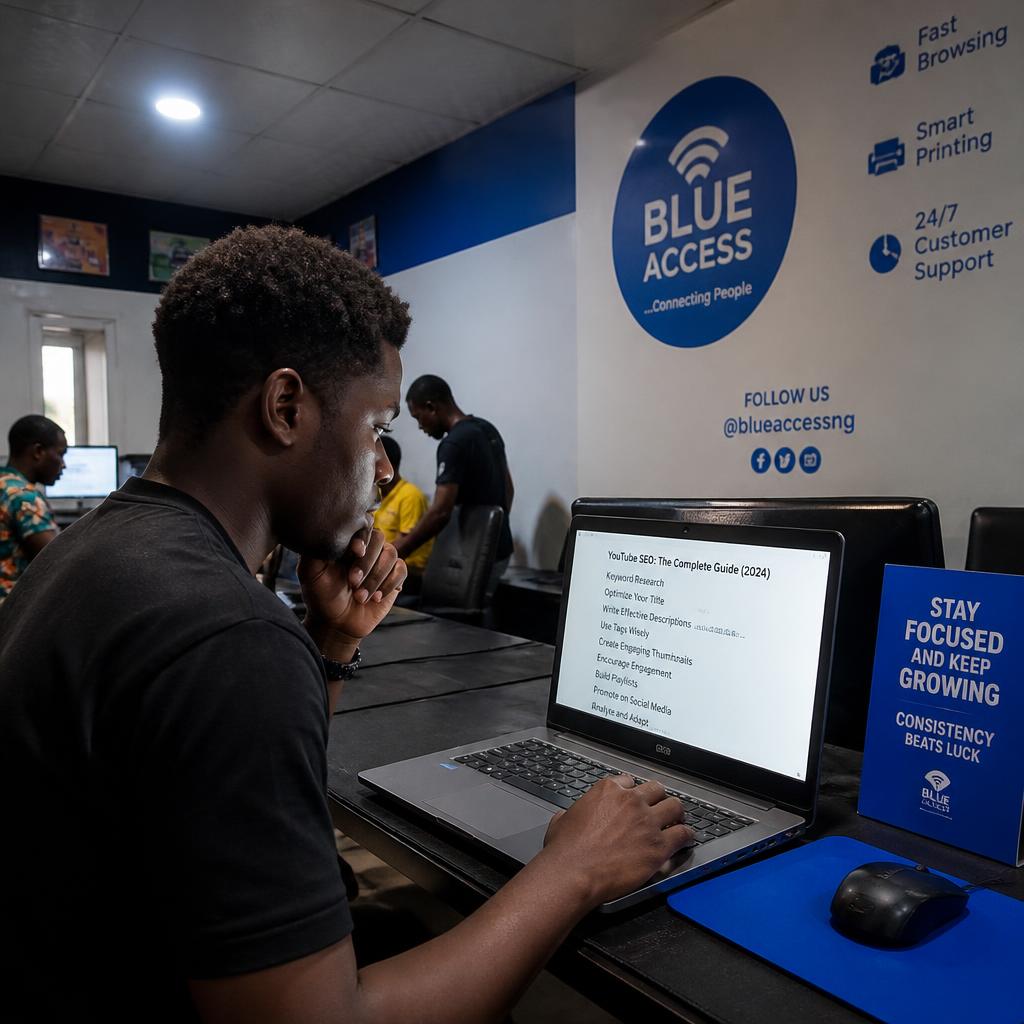
Getting your videos seen on YouTube isn’t just about making good content, it’s about making your content easy to find and click on. This section breaks down simple SEO steps that beginners can use to get their videos in front of the right people. You might think that just uploading a great video is enough, but YouTube needs clear signals to know who should watch it.
That’s where SEO comes in. It’s like giving YouTube a map to your content, so it can guide viewers right to your videos. The right keywords in your title and description act like neon signs flashing, “Hey, watch this!” And thumbnails? They’re your video’s first impression; make them count! Plus, keeping viewers watching longer tells YouTube your video is worth sharing.
If you also want to hit monetization milestones faster, check out this guide on how to get 4,000 watch hours on YouTube fast in Nigeria: it runs parallel to the SEO tactics covered here and will accelerate your path to real channel growth.
How to Find Keywords Beginners Can Actually Rank For
Use tools like TubeBuddy or free keyword planners to identify low-competition, high-relevance keywords. Beginners should focus on long-tail keywords that match their niche. These keywords are your secret weapon because they face less competition and attract viewers who are ready to watch exactly what you offer. It’s not about chasing the most popular terms but finding the right phrases that fit your content perfectly.
When you pick keywords that match your niche, you make it easier for YouTube to recommend your videos to the right audience. Plus, using these keywords in your title, description, and tags sends clear signals to YouTube’s algorithm, helping your videos get discovered faster.
How to Optimize Video Titles for Search and Clicks

Titles should include your target keyword and spark curiosity. For example: “How to Increase YouTube Views Organically” combines SEO with click appeal. Your title is the first thing people see, so it needs to grab attention and make them want to click. Using your main keyword early in the title helps YouTube understand what your video is about, improving your chances of showing up in search results.
Crafting titles that work well means understanding your audience and what they want. If your title matches their search intent and promises value, they’re more likely to watch. This is why combining keywords with curiosity works so well. If you want to learn more about picking the right keywords, check out our section on How to Find Keywords Beginners Can Actually Rank For. Getting your titles right is a huge step toward growing your channel and getting more views organically.
Writing Video Descriptions That Help YouTube Understand Your Content
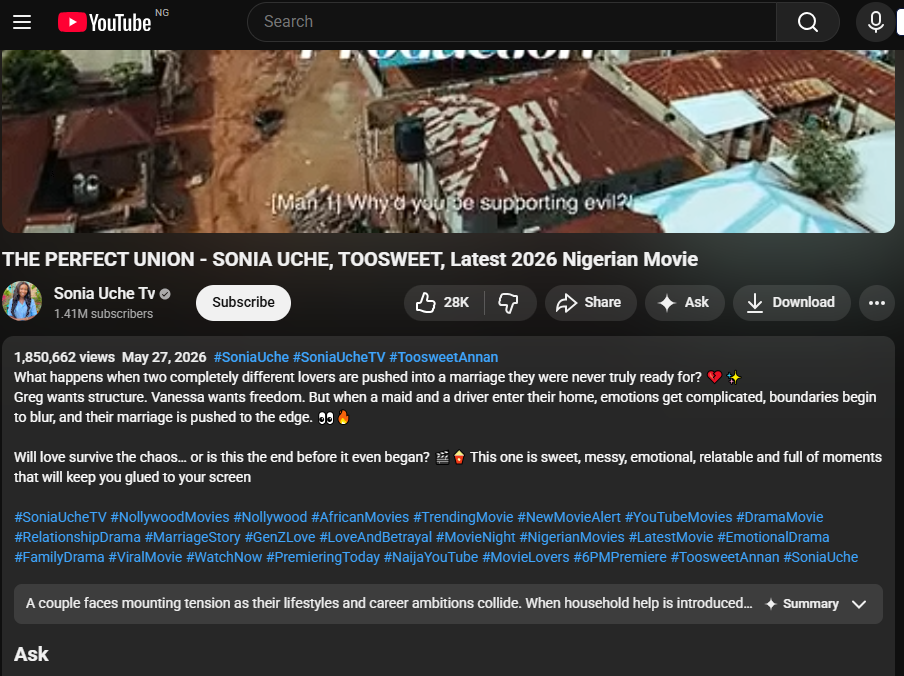
Descriptions should summarize the video clearly and include keywords naturally to help YouTube understand what your content is about. A well-written description gives viewers a quick idea of what to expect and helps your video show up in search results. Adding timestamps breaks your video into easy-to-navigate sections.
Including links to related videos or playlists keeps people watching more of your content, which YouTube loves. Think of your description as a friendly guide that points viewers in the right direction while giving YouTube the clues it needs to recommend your video.
How to Increase YouTube Views Organically Faster with Smart Promotion

Getting your videos seen faster means stepping up your promotion game without losing that organic touch. Smart promotion isn’t about shouting into the void; it’s about sharing your content where your real fans hang out and making it easy for them to find and enjoy your videos.
One way to do this is by tapping into communities that care about your niche. Share your videos in forums, social media groups, or even on other platforms where your audience spends time. This kind of targeted sharing brings in genuinely interested viewers, which boosts your watch time and signals YouTube that your content matters.
Another smart move is collaborating with other creators. When you team up, you get access to their audience, and they get access to yours. It’s also worth understanding how SMM panels deliver YouTube subscribers and views, when used correctly alongside organic strategies, this can give your channel the early momentum it needs.
Don’t forget about the power of playlists. Creating playlists that group your videos around a theme keeps viewers watching longer, increasing session time and making YouTube more likely to recommend your content.
Using Tools Like Famecheap to Amplify Early Video Reach
Platforms like Famecheap can help beginners gain initial traction by boosting visibility. This early momentum can improve algorithmic recommendations and organic reach. Using such tools gives your videos a much-needed push when you’re just starting out and struggling to get noticed. But don’t rely on these tools alone: combining them with solid SEO and engaging content is what really moves the needle.
Early traction from platforms like Famecheap can lead to a snowball effect, where more views bring more views, helping your channel grow faster. If you’re unsure which tool is right for you, this breakdown of which SMM panel boosts social media accounts fast in Nigeria is a helpful starting point for making a confident decision.
Your Next 1,000 YouTube Views Start With What You Do Today
Organic YouTube growth is a marathon, not a sprint. By applying beginner-friendly SEO, optimizing titles and descriptions, leveraging playlists, and strategically promoting content, even new creators can achieve steady growth. The key is consistency, patience, and smart optimization. Your next 1,000 views depend on the steps you take right now.
If you want to see real progress, start creating an account today and dive into the tools that can help you grow your channel faster. Growth isn’t magic; it’s about making smart choices every day. When you combine solid SEO with regular uploads and smart promotion, you build momentum that keeps your views climbing. So, why wait? Create your account now and start turning your passion into a thriving channel. Your future audience is waiting, and every click counts!
Frequently Asked Questions
Most beginners struggle to increase YouTube views organically because they misunderstand how the platform’s algorithm works and expect immediate results. YouTube’s system evaluates multiple factors beyond just content quality, including watch time, click through rate (CTR), audience retention, and keyword relevance. A beginner may create an excellent video, but if the title does not include searchable keywords, the thumbnail fails to grab attention, or the description lacks proper metadata, the video will remain hidden. Another common mistake is focusing solely on content creation without optimizing for discoverability. For example, a well produced tutorial on cooking jollof rice may get few views if the title is vague like “My Cooking Video” instead of “How to Make Perfect Jollof Rice in 15 Minutes.” Additionally, beginners often give up too soon because organic growth is a gradual process. Unlike paid ads that deliver immediate traffic, organic growth builds slowly but sustainably. Many new creators expect viral success within weeks and abandon their channels when that does not happen.
YouTube decides which videos get views using an algorithm that prioritizes four main factors: watch time, click through rate (CTR), audience retention, and keyword relevance. Watch time measures the total minutes viewers spend watching your video. Longer watch time signals that your content is engaging. CTR is the percentage of people who click on your video after seeing the thumbnail and title. A high CTR tells YouTube that your packaging is compelling. Audience retention tracks whether viewers watch your video all the way through or drop off early. High retention means your content holds attention. Keyword relevance helps YouTube match your video to what users search for; using the right words in titles, descriptions, and tags is essential. Great content alone is not enough because even a masterpiece can remain invisible if it lacks proper metadata or does not align with search intent. For example, you could produce a highly informative documentary about Lagos traffic, but if your title is vague like “Traffic Video” and your description is empty, YouTube’s algorithm cannot categorize it correctly. As a result, the video will not appear in search results or recommendations.
Beginners can find keywords they can actually rank for by using free or low cost tools like TubeBuddy, VidIQ, or Google’s Keyword Planner, and by focusing on long tail keywords with low competition. Long tail keywords are specific phrases, usually three or more words long, that target a particular audience. For example, instead of trying to rank for “cooking,” which is highly competitive, a Nigerian beginner should target “how to cook Nigerian jollof rice with gas cooker.” This phrase has less competition and attracts viewers who know exactly what they want. To start, brainstorm topics related to your niche. Then enter those ideas into TubeBuddy’s keyword explorer or Google’s autocomplete feature. Look for keywords with decent search volume but low competition scores. Also check what your competitors are ranking for. Do not copy them, but identify gaps where you can offer something better or different. Once you have a target keyword, optimize your video title by placing the keyword near the beginning. A title like “How to Cook Nigerian Jollof Rice on a Gas Cooker (Step by Step)” is both SEO friendly and clickable. Combine your keyword with curiosity or a benefit. For instance, “How to Increase YouTube Views Organically (Beginner’s Guide)” tells viewers exactly what they will learn while including the search term. Avoid clickbait titles that promise something your video does not deliver; that will hurt your retention and CTR over time. Your title should be clear, compelling, and under 60 characters so it does not get cut off on mobile devices.
Playlists and tools like Famecheap help beginners increase YouTube views organically faster by improving session watch time and providing initial visibility, respectively. Playlists are one of the most underutilized features on YouTube. When you group related videos into a playlist, viewers who watch one video are automatically queued to watch the next. This encourages binge watching, which dramatically increases session watch time, the total time a viewer spends on your channel in one sitting. YouTube’s algorithm loves high session watch time because it indicates that your content is engaging and keeps people on the platform. For example, if you create a series on “Digital Marketing for Nigerian Small Businesses,” a playlist allows a viewer to watch all five episodes back to back instead of searching for each one. To maximize playlists, create themed groupings such as “Beginner Tutorials,” “Product Reviews,” or “Behind the Scenes.” Add timestamps in video descriptions to help viewers navigate. Also, feature your best playlists on your channel homepage. Update playlists regularly with new videos to signal freshness to YouTube. Tools like Famecheap, on the other hand, address the chicken and egg problem that plagues beginners: you need views to get recommended, but you need recommendations to get views. Famecheap is a legitimate promotional platform that can deliver initial views, likes, or subscribers to your videos. This early momentum signals to YouTube’s algorithm that your content is worth recommending. When a video receives an initial boost, it has a higher chance of appearing in search results, suggested videos, and the browse features. However, it is crucial to use Famecheap as a supplement, not a replacement, for organic strategies.
The essential YouTube SEO steps for beginners to write video descriptions and increase organic views include creating detailed, keyword rich descriptions that summarize the video, adding timestamps, including links to related content, and using natural language. A video description is not just a space for a few words; it is a powerful tool that helps YouTube understand your content and rank it appropriately. First, write a description that is at least 200 to 300 words long. The first 150 characters are critical because they appear above the “show more” button. Place your primary keyword and a compelling summary within those first two sentences. For example: “In this video, you will learn how to increase YouTube views organically as a Nigerian beginner. We cover keyword research, title optimization, and promotion strategies.” This immediately tells viewers and YouTube what the video offers. Next, include your target keyword naturally throughout the description, but avoid keyword stuffing. Use variations and related terms. For instance, if your keyword is “organic YouTube growth,” also use phrases like “increase views naturally,” “YouTube SEO for beginners,” and “get more subscribers without ads.” This helps YouTube understand the topic context. Third, add timestamps (chapters) for videos longer than two minutes. Timestamps improve user experience by allowing viewers to jump to specific sections. They also appear in search results, making your video more clickable. Format timestamps like this: “0:00 Introduction, 1:30 Keyword Research, 3:45 Title Optimization, 6:00 Playlists and Promotion.” Fourth, include links to relevant playlists, your channel homepage, or other videos. This encourages viewers to watch more of your content, increasing session watch time.