LinkedIn has become more than a networking site; it is now a stage where careers are shaped and reputations are built. Many professionals chase numbers, believing a large follower count will open doors to better opportunities. Yet, the real question is not about how many followers you have, but whether those followers are genuine. Can recruiters tell if you bought LinkedIn followers?
This concern is growing as employers look beyond surface-level metrics to judge credibility. A profile with thousands of followers but little engagement raises doubts, and recruiters are quick to notice. In a world where trust is currency, fake followers can damage more than your online image: they can affect your career prospects.
Key Factors to Consider
Can Recruiters Detect Purchased LinkedIn Followers?
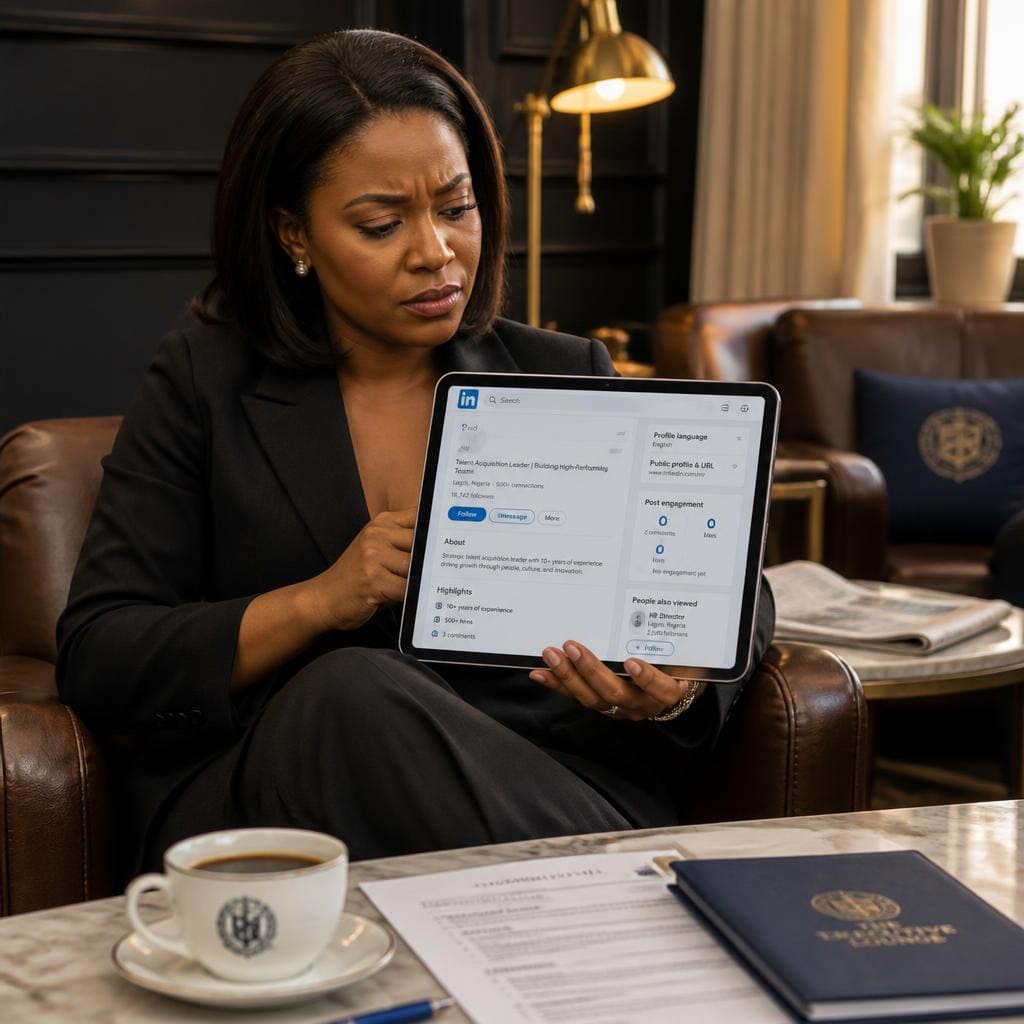
Recruiters are trained to look beyond numbers. While a large follower count may seem impressive, employers often assess whether those followers are real or fake. Can recruiters tell if you bought LinkedIn followers? The answer is yes, in many cases. They notice inconsistencies such as irrelevant follower locations, incomplete profiles, or sudden spikes in numbers. These red flags suggest LinkedIn followers bought detection is possible, and recruiters use them to evaluate credibility.
It’s not just about the numbers jumping overnight. Recruiters dig deeper into the quality of your followers. They check if those followers engage with your content or if they seem like empty accounts. Profiles without photos, little activity, or generic names often raise eyebrows. When engagement doesn’t match follower count, it’s a clear sign something is off.
Recruiters also look at the diversity of your network. If most followers come from unrelated industries or countries where you have no connections, that’s suspicious. Authentic networks tend to grow naturally within relevant circles, which is why building your presence through a reliable LinkedIn growth strategy matters more than inflated numbers.
Building a real network takes time, but it’s worth it. Genuine connections bring real opportunities, and recruiters value that more than inflated numbers. Your credibility is your strongest asset, and protecting it should always come first.
What Recruiters Can Actually See
Recruiters cannot see every detail about your followers, but they can observe patterns. Can recruiters see who follows you on LinkedIn? Not directly, but they assess your audience credibility through engagement metrics. If your posts attract little interaction despite thousands of followers, employers may conclude your audience is not genuine. This is why LinkedIn audience credibility checks matter more than raw numbers.
They look at how often people comment, like, or share your posts. If those numbers don’t add up, it’s a red flag. It’s like having a crowd that doesn’t really care about what you say. That lack of real connection tells recruiters your followers might not be authentic.
Recruiters also notice the type of engagement. Genuine followers leave thoughtful comments or ask questions. Fake followers, on the other hand, rarely interact or leave generic responses. This difference is easy to spot if you know what to watch for.
Even if recruiters cannot see every follower, they can still tell if your audience feels real. That feeling comes from how your network interacts with you, not just how many people hit the follow button. So, focusing on building true connections matters more than chasing big numbers.
Can LinkedIn Detect Purchased Followers?
LinkedIn itself has systems to identify fake accounts. Can LinkedIn detect purchased followers? Yes, through algorithmic checks that flag suspicious activity. The platforms’ fake follower detection relies on spotting accounts with incomplete profiles, generic photos, or bot-like behavior. These authenticity checks help LinkedIn maintain trust, and profiles with fake followers risk restrictions or removal.
Here is what LinkedIn actually looks for when identifying fake followers. It is not just about a quick glance; their systems dig deep into patterns and behaviors that indicate inauthentic activity. Here’s what they focus on:
- Profile completeness: Accounts missing key info like a profile photo, job history, or connections are prime suspects. LinkedIn knows real users usually fill out their profiles.
- Activity levels: Bots or fake accounts often show little to no activity. No posts, no comments, no likes. That silence is a clear warning sign.
- Connection patterns: Fake followers tend to follow many accounts but have few followers themselves. This imbalance is a red flag.
- Geographic oddities: If a bunch of followers come from places unrelated to your industry or location, LinkedIn’s algorithms take note.
- Account age: New accounts popping up in droves to follow you? That’s suspicious. Real growth is usually steady and organic, similar to the results seen when professionals grow their LinkedIn connections legitimately.
LinkedIn’s goal is simple: keep the platform trustworthy. When fake followers are detected, they don’t just sit idle. Profiles can face limits, shadow bans, or even removal. So, if you’re thinking about shortcuts, know that LinkedIn’s monitoring systems are always active. It’s better to build your network with real people who actually care about what you share. That’s the kind of audience that makes a difference.
How to Spot The Signs Of LinkedIn Followers

Recruiters often know how to identify fake followers. Signs of fake LinkedIn followers include sudden increases in numbers, low engagement, and irrelevant connections. Understanding these signals helps professionals avoid credibility damage.
Let’s look deeper into what these signs really mean and why they matter. Spotting fake followers is not just about numbers, it is about the story those numbers tell. Here’s what recruiters keep an eye on:
- Sudden follower spikes: A quick jump in followers can look tempting, but it signals that something is off. Real growth takes time, and sudden bursts often mean purchased followers.
- Low engagement rates: If your follower count is high but likes, comments, and shares are scarce, that’s a big red flag. Real followers interact because they care.
- Irrelevant connections: Followers from unrelated industries or far-off places can make your network look fake. Authentic connections usually cluster around your field.
- Generic profiles: Blank photos, no job info, or unusual usernames? Those are classic signs of fake accounts lurking in your follower list.
- Inconsistent activity: Real followers engage regularly. If your engagement is all over the place, it might mean bots or inactive accounts.
These signs are not just for show, they can seriously hurt your professional image. Recruiters want to see a network that’s active and engaged, not a collection of fake followers. So, keep an eye on these signals and build your LinkedIn presence with real people who actually care about what you share. That’s the foundation for lasting success.
Watch For Sudden Follower Spikes
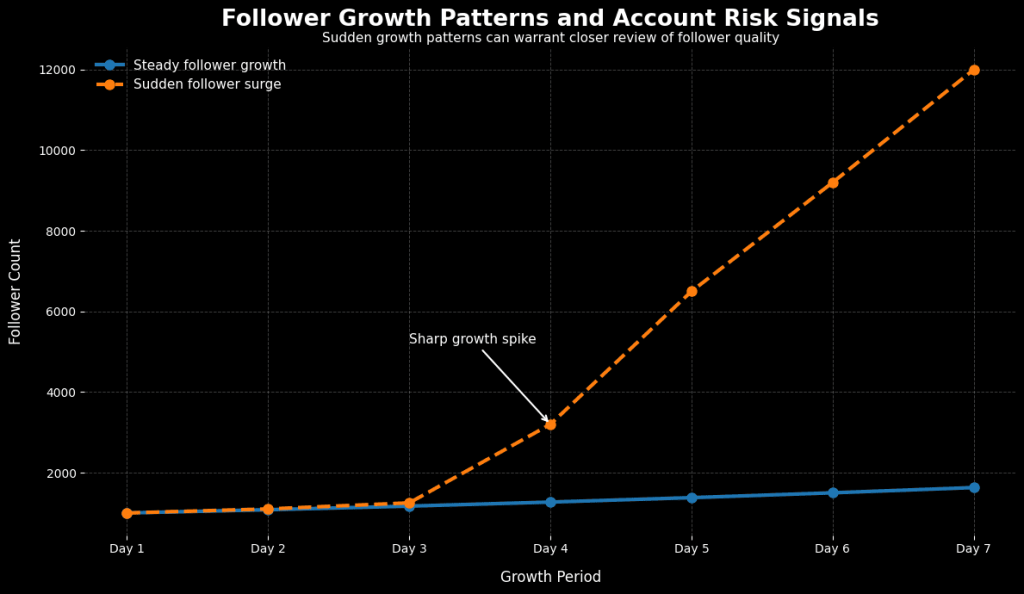
A sudden surge in followers is one of the clearest signs you bought LinkedIn followers. Recruiters notice these spikes and may interpret them as manipulation. Such patterns raise bought-follower hiring risks, as employers prefer candidates with authentic networks.
This kind of spike does not just happen by chance. It is a clear signal that prompts recruiters to look closer. Recruiters see these jumps and immediately question the authenticity of your network. It’s not just about numbers; it’s about the story those numbers tell. When followers flood in overnight, it’s a red flag that something’s off.
Here’s what recruiters really think: if your follower count jumps suddenly without a clear reason, they suspect shortcuts. They know real connections grow steadily, with genuine interactions along the way. A sudden spike feels like a shortcut, and shortcuts rarely end well. If you are looking for a genuine approach, exploring legitimate ways to increase your LinkedIn followers is a safer path.
These spikes can also hurt your profile’s algorithmic standing. LinkedIn’s system favors steady, organic growth. When it detects unnatural jumps, it may limit your visibility or flag your account for review. That’s a double setback, losing trust from both recruiters and the platform.
So, what does this mean for you? It means that chasing quick follower boosts is risky. It’s better to build your network slowly but surely, with real people who engage and support your professional journey. That’s the kind of growth that lasts and truly matters.
Compare Followers With Post Engagement
Another way recruiters spot fake followers is by comparing numbers with activity. If you have thousands of followers but low engagement on LinkedIn posts, it signals a problem. High LinkedIn followers no comments or likes suggest fake engagement, which recruiters distrust during job applications.
This mismatch is like showing up to an event with a huge guest list but no one actually talking to you. Recruiters see this and question why no one seems interested. It’s a big red flag that your followers might be just numbers, not real people.
Here’s what recruiters look for when they compare followers with engagement:
- Engagement rate matters: A high follower count with low likes or comments means your audience is not connecting with your content. That’s suspicious.
- Quality over quantity: Recruiters prefer a smaller, engaged audience over a massive, silent one. Real connections beat fake numbers every time.
- Consistent interaction: Genuine followers interact regularly. If your posts get random bursts of activity, it looks unnatural.
- Content relevance: If your followers do not engage with your industry-related posts, it suggests they are not truly interested or real.
- Follower authenticity: Fake followers rarely leave meaningful comments or questions. Their silence speaks volumes.
This comparison is not just a quick glance; it is a deep look into how real your network really is. So, if your follower count looks impressive but your post engagement is minimal, recruiters will notice. And they will not like what they see. Building real engagement, such as through a proven LinkedIn growth hack, is where meaningful results happen, not just stacking up numbers.
Does Buying LinkedIn Followers Hurt Your Profile?

Many professionals wonder: Does buying LinkedIn followers hurt your profile? The risks are significant, even though there are several reasons Nigerians buy LinkedIn followers in the first place. Fake followers can damage credibility, reduce reach, and even harm job opportunities. But buying real followers from verified SMM panel vendors becomes a door opener to a different world.
Buying followers is the second leverage you get for attracting recruiters and building your credibility much faster on the platform. Building a genuine network takes effort, but it pays off. Real followers engage, share, and support your journey. They help your content get seen by the right people. So, while buying followers might look tempting, buy from a legit platform like Famecheap.
Understand The Credibility Cost
Recruiters value trust. Real LinkedIn followers and recruiter trust go hand in hand. A high follower count without genuine engagement undermines your professional reputation. Over time, this erodes credibility and makes your profile less attractive to employers.
Trust is the backbone of every professional relationship. When your follower count looks inflated but your posts gather little interaction, it sends a clear message that something is not right. Recruiters pick up on this disconnect immediately. It is comparable to showing up to a meeting with a polished appearance but no substance behind it.
Credibility is not just about numbers. It is about the story your profile tells. Fake followers create a story of shortcuts, and shortcuts do not impress anyone who is serious about hiring. Your reputation takes a hit, and that hit can echo through your career.
Now, here’s what really matters: authenticity. Recruiters want to see real connections, real conversations, and real engagement.
This real and authentic engagement can be delivered more easier in today’s world using a verified and legit SMM platform. It’s that simple for anyone who’s looking to build a credible LinkedIn profile fast.
So, if you are thinking about getting ahead of your competitors, sure go ahead. Your professional story deserves to be told with honesty and real connections, ideally supported by a legitimate LinkedIn growth strategy for Nigerian professionals. That’s the kind of profile recruiters want to see, and the kind that opens doors.
See How Weak Engagement Can Spread
LinkedIn’s system watches how people interact with your posts. When it sees a crowd that doesn’t respond, it treats your content as less worth showing. That means fewer real eyes on your updates, less chance to build meaningful connections, and a slower career climb.
Engagement isn’t just about likes or comments. It’s about real conversations and genuine interest. Fake followers don’t chat, share, or react in ways that matter. Their silence tells LinkedIn your profile isn’t active or valuable.
This creates a cycle. Low engagement leads to less visibility, which leads to even lower engagement. It’s like speaking into an empty room and wondering why no one answers.
If you want your LinkedIn presence to thrive, focus on quality connections gotten from real smm platforms like famecheap. Real followers boost your reach, spark conversations, and help your content spread naturally, especially once you reach milestones like 5,000 LinkedIn followers. That’s how you build momentum and get noticed by the right people.
Is Buying LinkedIn Followers Worth It?
So, can recruiters tell if you bought LinkedIn followers? Yes, and the consequences are serious. Can employers detect bought LinkedIn followers? Absolutely, through engagement checks and credibility audits. But the good news is buying Real followers from legit platforms destroys all lingering fears and ensures you’re good to go.
Real growth beats fake every time. Building authentic connections, sharing valuable insights, and engaging meaningfully will boost your reputation and open doors. Recruiters want to see genuine networks, not inflated counts.
Thinking about boosting your social media presence? Famecheap can help you grow real followers who actually care about your content. Open an account today and watch your profile transform. Got thoughts or experiences with buying followers? Drop a comment below and share your story! Your voice matters, and we’d love to hear it.
Frequently Asked Questions
Yes, recruiters can often tell if you bought LinkedIn followers. They are trained to look beyond surface-level metrics and assess whether your audience is genuine or fake. One of the first things they notice is a sudden spike in your follower count without a clear reason. Real growth on LinkedIn tends to be steady and organic over time, so a dramatic jump raises immediate suspicion. Recruiters also examine engagement patterns. If you have thousands of followers but very few likes, comments, or shares on your posts, that mismatch is a major red flag. It suggests your followers are not real people who care about your content. Another sign they look for is irrelevant connections. If most of your followers come from unrelated industries or countries where you have no professional ties, that looks suspicious. Authentic networks usually grow within relevant circles. Recruiters also spot generic profiles with blank photos, no job history, or strange usernames. These are classic signs of fake accounts. Additionally, they check whether your engagement is consistent. Real followers interact regularly, while fake ones remain silent or leave generic responses. Recruiters use both experience and tools to spot these patterns quickly. The risk of being caught is high, and the damage to your professional image can be lasting. Building a real network takes time, but it is worth it because genuine connections bring real opportunities.
Yes, LinkedIn has systems in place to detect purchased followers. The platform uses algorithmic checks that flag suspicious activity and behavior patterns. LinkedIn fake follower detection relies on spotting accounts with incomplete profiles, generic photos, or bot-like behavior. These authenticity checks help LinkedIn maintain trust across the platform. Profiles that use fake followers risk restrictions, shadow bans, or even removal. Let me break down what LinkedIn actually looks for. First, profile completeness matters. Accounts missing key information such as a profile photo, job history, or connections are prime suspects because real users usually fill out their profiles. Second, activity levels are examined. Bots or fake accounts often show little to no activity, meaning no posts, no comments, and no likes. That silence is a loud alarm. Third, connection patterns are analyzed. Fake followers tend to follow many accounts but have very few followers themselves. This imbalance is a red flag. Fourth, geographic oddities are noted. If many followers come from places unrelated to your industry or location, LinkedIn takes note. Fifth, account age is considered. New accounts appearing in large numbers to follow you is suspicious because real growth is usually steady and organic. LinkedIn’s goal is to keep the platform trustworthy. When fake followers are detected, profiles can face limits or removal. So, if you are thinking about shortcuts, know that LinkedIn is always watching.
There are several clear signs of fake LinkedIn followers that recruiters and professionals should watch for. First, sudden follower spikes are a major indicator. A quick jump in followers may look impressive, but it often signals purchased followers because real growth takes time. Second, low engagement rates are a red flag. If your follower count is high but likes, comments, and shares are scarce, that mismatch suggests your audience is not genuine. Third, irrelevant connections stand out. Followers from unrelated industries or far-off places can make your network look fake, while authentic connections usually cluster around your field. Fourth, generic profiles are a classic sign. Blank photos, no job information, or strange usernames often point to fake accounts. Fifth, inconsistent activity is suspicious. Real followers engage regularly, so if your engagement is all over the place, it might mean bots or inactive accounts are present. These signs are not just for show. They can seriously hurt your professional image. Recruiters want to see a network that is alive and active, not a ghost town of fake followers. Understanding these signals helps professionals avoid credibility damage. So, keep an eye on these signs and build your LinkedIn presence with real people who actually care about what you share. That is the secret to lasting success on the platform.
Yes, buying LinkedIn followers can seriously hurt your profile and reach. Fake followers might seem like a quick win, but they act more like a slow poison for your professional image. Those fake numbers do not sit quietly. They shout not authentic to anyone who knows what to look for. Recruiters and LinkedIn’s own algorithms are sharp and can sniff out fake followers quickly. The damage goes beyond just looking bad. When your follower count is inflated with bots or inactive accounts, your posts get buried. LinkedIn’s algorithm favors real engagement, so fake followers actually reduce your reach. It is like having a loudspeaker with no one listening. Fake followers can also hurt your professional reputation. If recruiters spot a mismatch between your follower count and your engagement, they will question your credibility. That doubt can cost you interviews, job offers, and connections that matter. Building a genuine network takes effort, but it pays off. Real followers engage, share, and support your journey. They help your content get seen by the right people. So, while buying followers might look tempting, it is a trap that can backfire hard. Your profile is your story. Do not let fake followers write it for you. Keep it real, keep it honest, and watch your professional reputation grow stronger every day.
No, buying LinkedIn followers is not worth the risk. While it might seem tempting to boost your numbers quickly, the consequences are serious and often backfire. Recruiters can tell if you bought followers, and employers can detect bought LinkedIn followers through engagement checks and credibility audits. Fake followers damage trust, reduce your reach, and hurt your job chances. The credibility cost is high. Recruiters value trust, and fake LinkedIn followers do not go hand in hand with recruiter trust. A high follower count without genuine engagement undermines your professional reputation. Over time, this erodes credibility and makes your profile less attractive to employers. There are five main ways fake followers chip away at your credibility. First, engagement mismatch makes recruiters see a red flag. Second, a questionable network of unrelated followers looks suspicious. Third, algorithm penalties cause your posts to get buried. Fourth, lost opportunities happen when recruiters skip inflated profiles. Fifth, long term damage occurs because rebuilding trust takes time and effort. Real growth beats fake every time. Building authentic connections, sharing valuable insights, and engaging meaningfully will boost your reputation and open doors. Recruiters want to see genuine networks, not inflated counts. So, if you are thinking about shortcuts, think again. Your professional story deserves to be told with honesty and real connections.